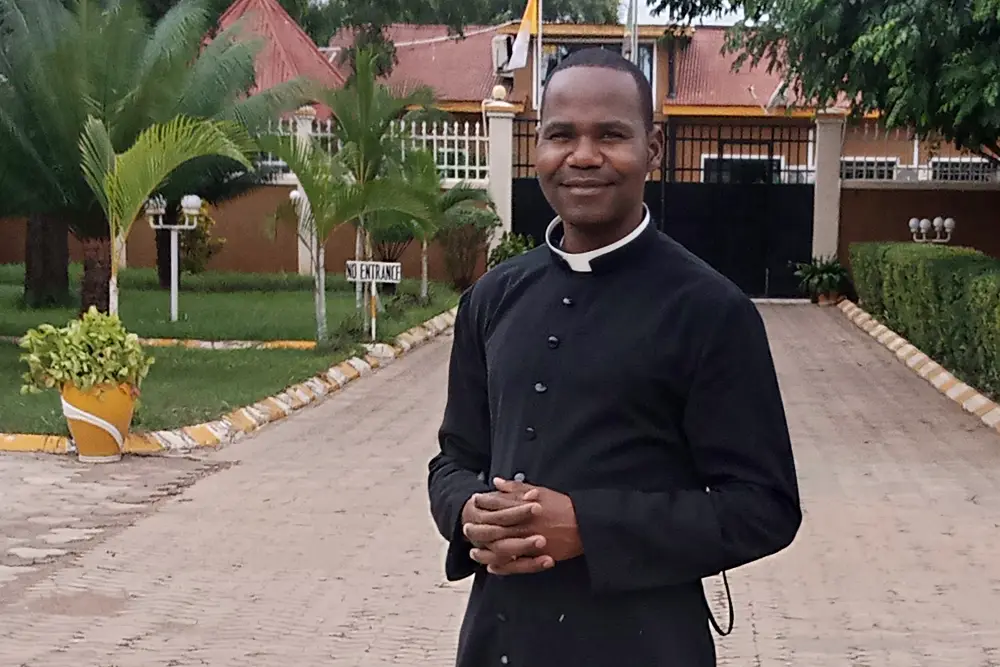
Cleyver Josué Gómez Jiménez, a seminarian, discovered his calling to the priesthood while serving at his parish in Venezuela. Trained in communications, he gradually came to understand that God was calling him to proclaim the Gospel not only with his words, but with his entire life.
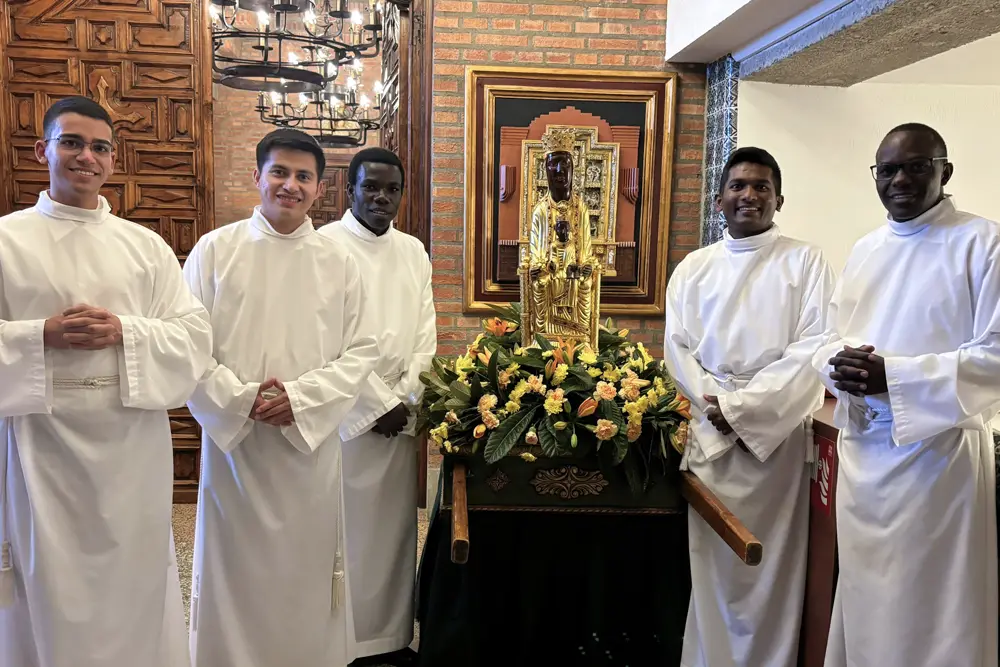
His journey took him to Spain, where he was able to continue his priestly formation at the Bidasoa International Seminary and at the University of Navarra in Pamplona. This is a crucial stage in their human, spiritual, intellectual, and pastoral preparation to serve the Church and the people of their diocese.
Cleyver Josué is the oldest of three brothers. At age 15, he began to to participate actively in the life of the Church thanks to the invitation from the Missionary Sisters of Parish Action, who served at their parish.
«Little by little, God began to give me small tasks along this path,» he recalls. During his teenage years and early adulthood, he served as coordinator of the parish youth group. There he discovered a Church that was close to him, where he found a true family. «For this reason, the Church is for me a great family within which God shapes us to attain happiness.».
However, although he was happy with his service at the parish, a sense of unease began to grow within him.
«I still felt a sense of unease in my heart. I realized that God was asking more of me.» After graduating with a degree in communications, he worked on religious radio and television programs. His profession allowed him to speak about God, but he began to understand that his calling went much further than that.
Little by little, an idea began to take shape: «to proclaim God not only with my words, but with my whole life.» So, after a process of discernment, on May 13, 2014—the feast of Our Lady of Fatima—he decided to take the plunge.
«Under the maternal protection of the Virgin Mary, », I decided to accept this adventure to which God was inviting me: the path to the priesthood!".
That same year, Cleyver entered the seminary. Five years later, after completing his studies in philosophy, his bishop, Monsignor Carlos Alfredo Cabezas, informed him that he wanted to send him to Spain to continue his training.
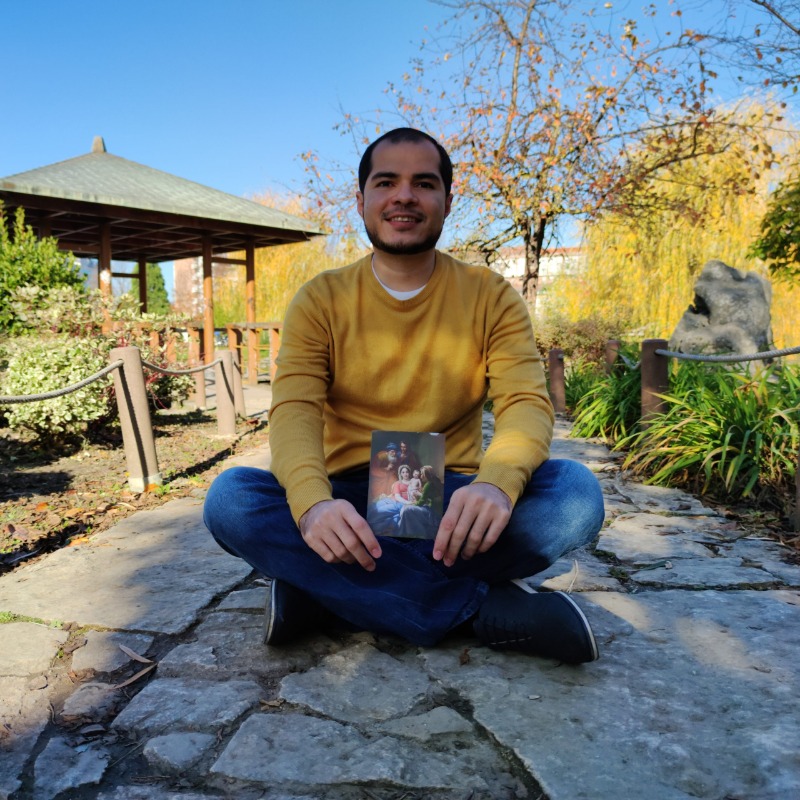
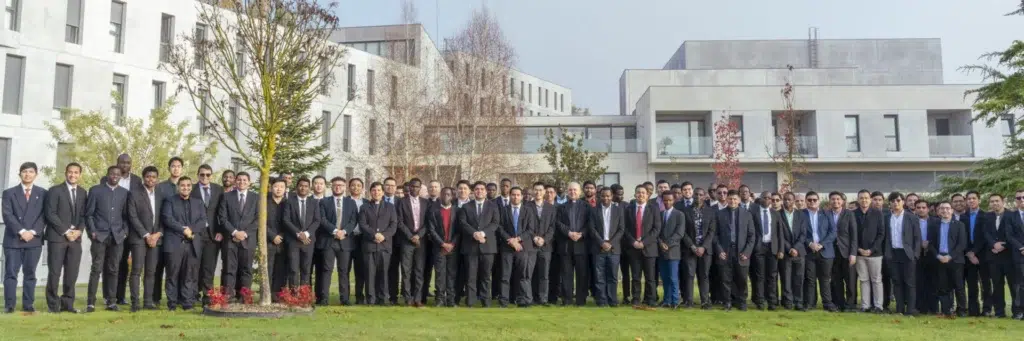
On September 8, 2019, Cleyver arrived at the Bidasoa International Seminar, in Pamplona. «I immediately heard the voice of God, who had first called me to a congregation founded in Spain and now wanted me in this country to further my formation.».
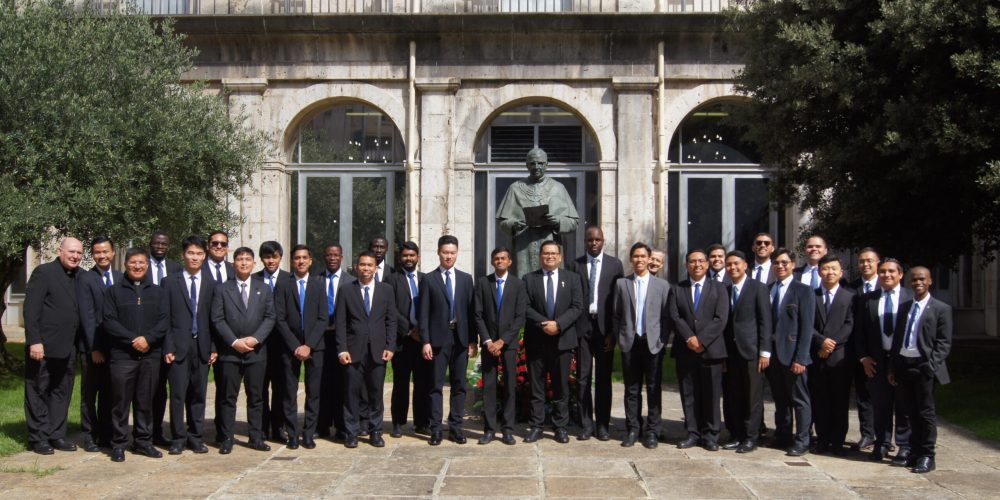
In Bidasoa He also found a new family, made up of seminarians from many different countries and their formators. «God has given me a very large and diverse family in the seminarians and formators.».
The formation of diocesan priests and seminarians like him is possible thanks to the generosity of the CARF Foundation's donors, which work together to ensure that young people from dioceses around the world can receive a solid education before returning to their home countries and serving their communities.
The Calling Cleyver's work is deeply rooted in the reality of Venezuela. The difficult social, political, and economic situation the country is facing has also affected the daily lives of the faithful.
Many families have been forced to emigrate in search of better living conditions, while others face great difficulties in meeting their basic needs.
Amid this reality, the role of the Venezuelan Church stands out, both in its mission of evangelization and in its care for the most vulnerable.
For him, one of the greatest lessons he has learned over the years has been discovering the strength of his people: «The greatest progress Venezuela has made, in my view, is discovering itself as a strong, fraternal, and persevering people in the face of difficulties. The Church in Venezuela has greatly contributed to this progress, which, though it may seem small, is of incalculable value.».
Among other initiatives, the work of Caritas and the many people who help families in need every day stands out.
Cleyver takes a particularly hopeful view of the young people of their country. He describes them as dreamers: young people who want a country at peace, with security and opportunities; a place where they can build their future without being forced to leave their homeland.
«They dream of a country filled with peace, joy, and security—a country where people have enough food and medicine. They dream of being able to live in our homeland and not having to leave the country because of a lack of those resources.».
In many of them, he says, faith has become a response to hardship. «We cannot speak of the Church in Venezuela without referring to the youth, who, with their characteristic spirit, infuse every apostolic group and work every day toward a better country.».
That is why he believes it is essential to walk alongside young people and share the Gospel with them in a personal way, especially in times of uncertainty.
His background in mass communication means that Cleyver Be well-versed in the possibilities the digital world offers for sharing the faith. «As a media professional, I see social media as a great tool for evangelization. We live in an increasingly digital world, and we cannot fail to make God’s presence felt in this space.».
In his view, there is no single way to evangelize online. Each person can do so based on their own gifts and reach out to different audiences: children, young people, adults, families, priests, religious, or laypeople. On his own social media accounts, he shares messages and reflections on the faith, as well as glimpses into his daily life.
And that is precisely where he finds one of the keys to evangelization: showing that faith is not something separate from life. «We cannot separate daily life from faith, for we live it not only in church but also in our everyday lives.».
His stay in Spain also allowed Cleyver to experience firsthand places closely linked to the history of the Church. «Spain is the cradle of great saints and a special place where important events for our faith have taken place.».
He particularly recalls places associated with St. Francis Xavier and St. Teresa of Ávila, as well as the wealth of churches scattered throughout the country. He was also impressed by the Sagrada Familia in Barcelona and how beauty can become a path to God.
«Who isn’t pleasantly surprised when contemplating, for example, the beauty of the Sagrada Familia in Barcelona? I am one of those who feel captivated when contemplating the beauty reflected in these sacred places.».
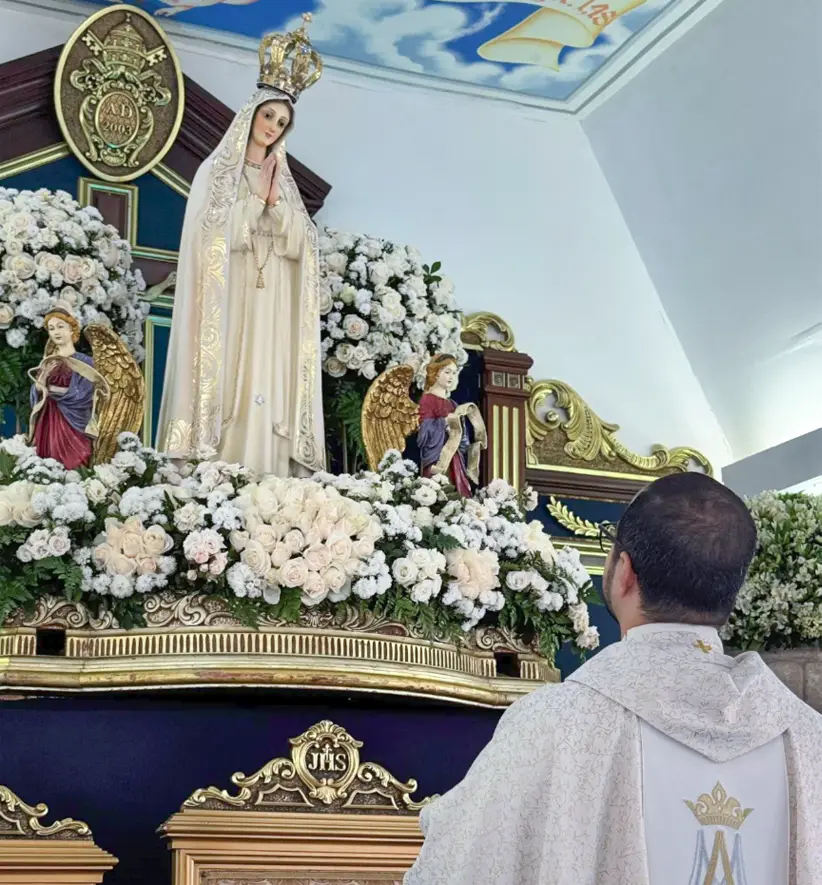
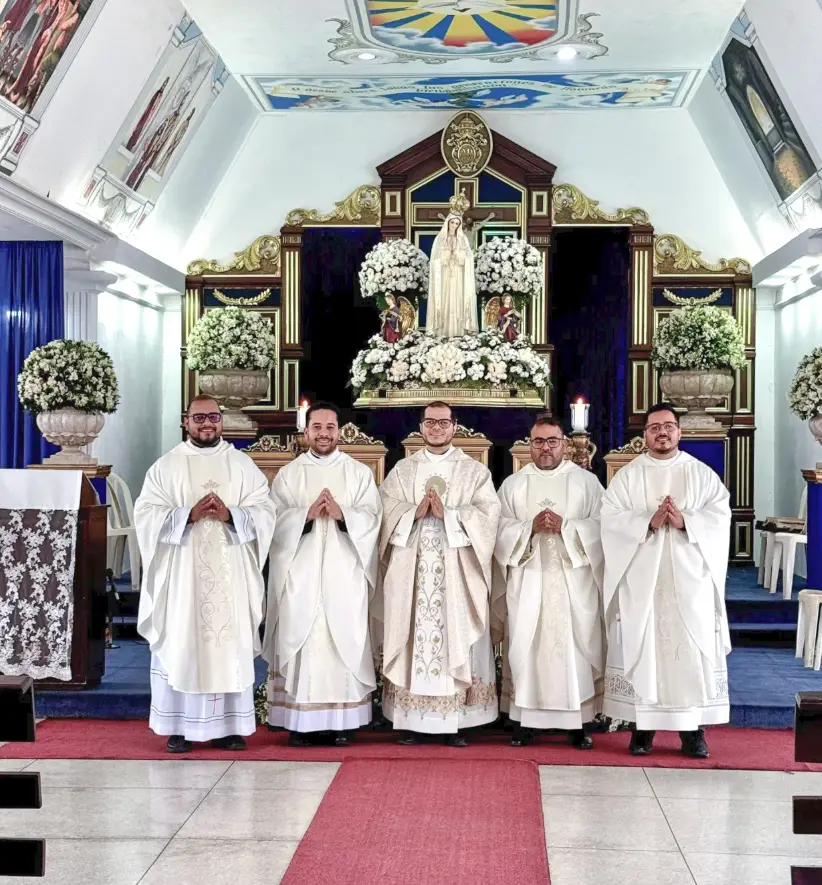
Years after that testimony, his story has continued to unfold. The young communications student who came to Spain to train as a seminarian returned to Venezuela as a priest.
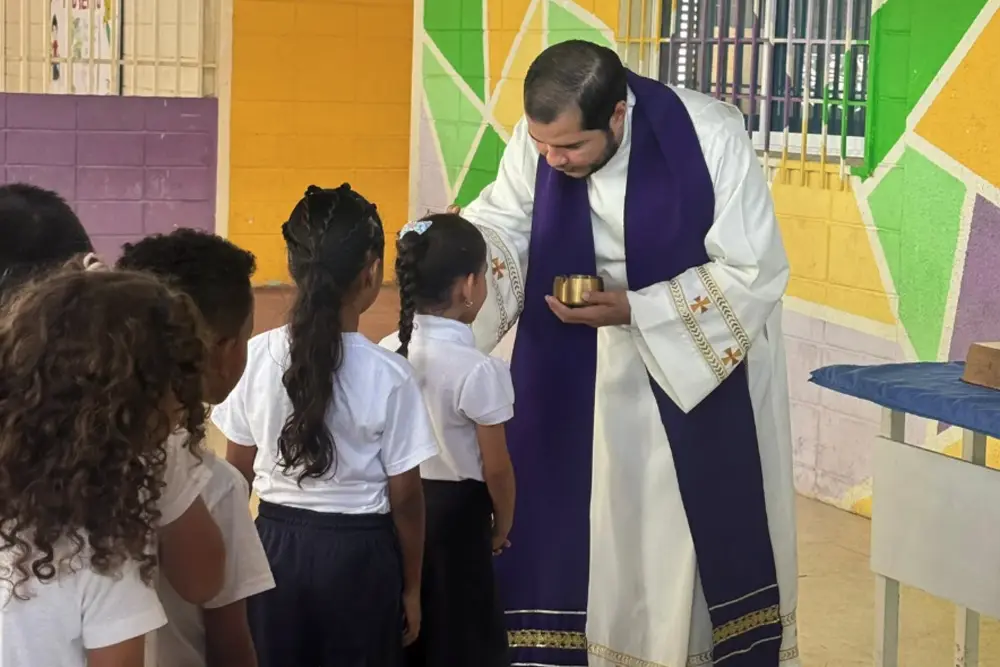
In 2025, Father Cleyver Gómez served as pastor of Las Piedras and as an advisor to the Diocese of Punto Fijo’s Pastoral Communication Office.
There is something particularly significant about his career. When he was still a seminarian, he stated that social media was «a great tool for evangelization» and advocated for the need to make God present in the digital world as well. Today, his training as a communicator continues to serve the Church, now through his priestly ministry and his work with his diocese’s communications office.
In a way, this fulfills the intuition that marked the beginning of his vocation: «To proclaim God not only with my words, but with my whole life.».
Its history also illustrates the extent of the support provided by the benefactors, partners, and friends of the CARF Foundation. The training he received during his seminary years did not end with his studies in Spain: he returned to his diocese to put that training to use in the service of others.
Because helping to form a seminarian is like sowing seeds for the future of an entire diocese. And that question Cleyver asked back then still holds true today: «Have you ever wondered what God wants from you?».
Marta Santín, A journalist specializing in religious news. Updated in 2026.
 carf@fundacioncarf.orgLandline: +34 914 029 082Mobile: +34 638 078 51145 Conde de Peñalver Street.