What does pastoral ministry mean to a seminarian?

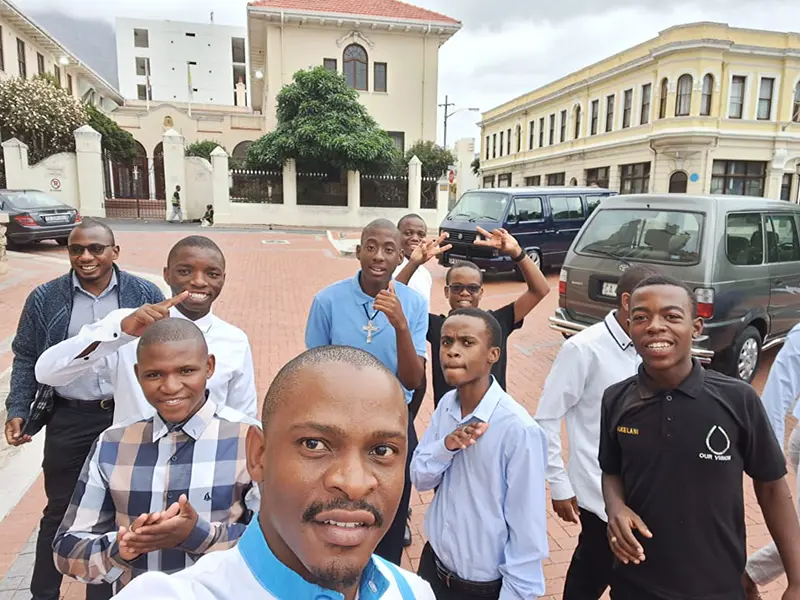
During the path to the priesthood, seminarians are not only formed in the study of theology or in the spiritual life. They also prepare themselves to exercise a key and profoundly human task: accompanying, serving and caring for people in their life of faith. This is called pastoral ministry: an experience that not only enriches their formation, but also allows them to experience what their future ministry as priests will be like.

At the CARF Foundation, we accompany hundreds of seminarians from all over the world who, thanks to the help of our benefactors, receive an integral formation. An essential part of this formation is precisely to leave the classroom and the oratory or chapel of the seminary to meet people where they are. But what does this task really mean, what is its function in the seminary, is it just another practice or something essential?

Part of the heart of the priest's ministry

The word comes from the Latin term pastorwhich means shepherd of the sheep. In the Church, this evangelical image refers to the care of God's people, just as Jesus Christ, the Good Shepherd, did. To live pastoral care, therefore, is nothing other than to to go out to meet people, guide them, listen to them, accompany them and offer them the nourishment of faith..

For a seminarian, this aspect of formation is as important as the study of Philosophy, Theology or Liturgy. Through it, the future priest learns to:

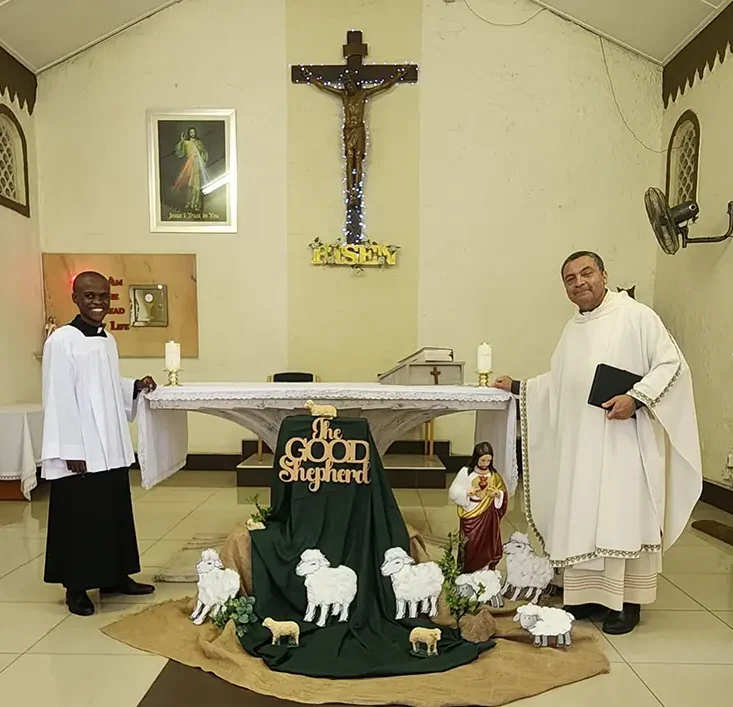
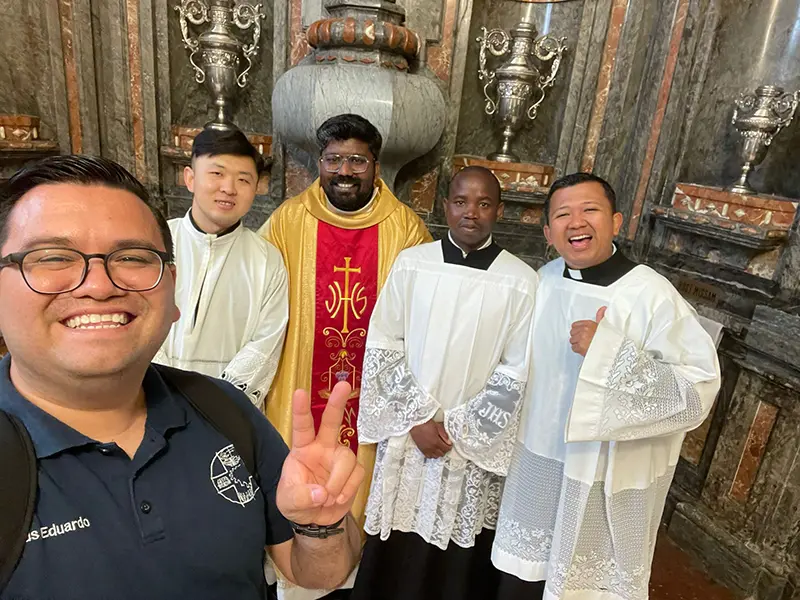
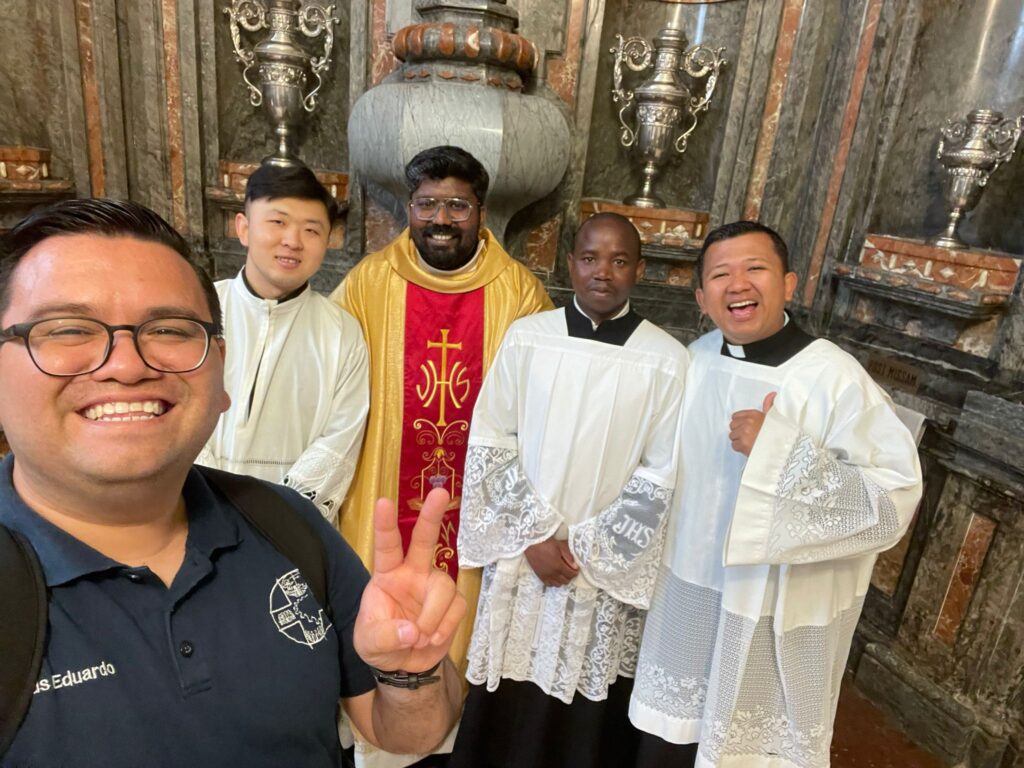
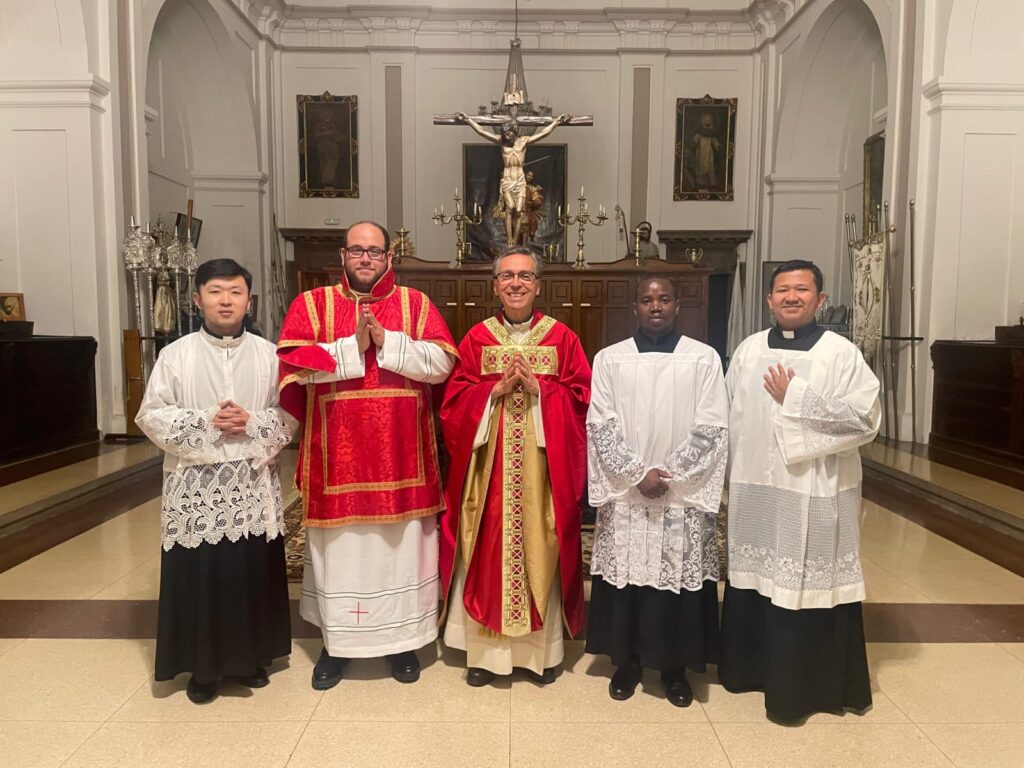
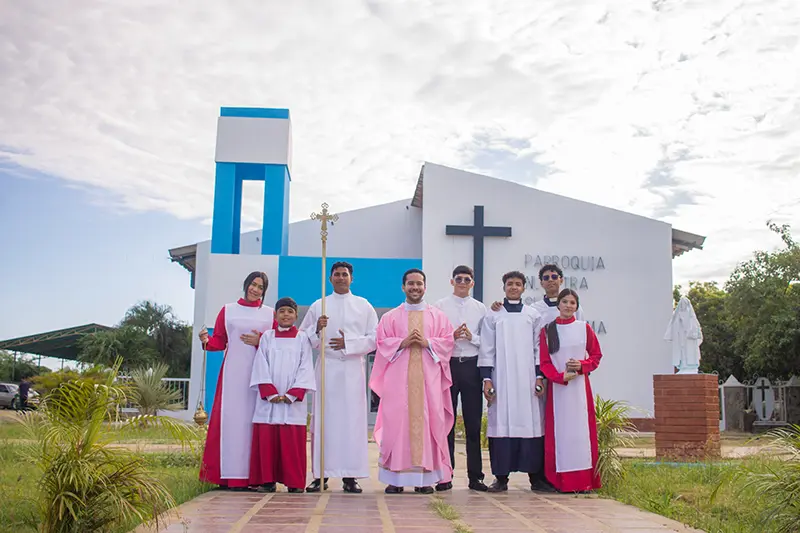
Grupo de sacerdotes y seminaristas mostrando alegría en un contexto pastoral dentro de un edificio religioso.
A moment of encounter and joy in the path of formation and service.

It is not an academic exercise: it is a meeting

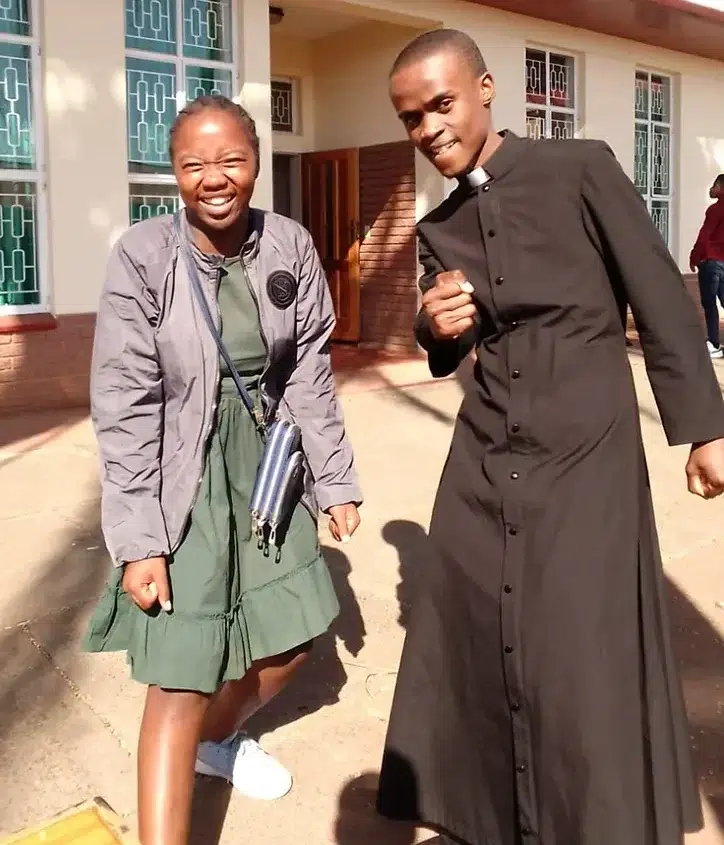
Serving others in these non-academic periods (Easter or summer) is not part of an academic exercise, nor of a professional rehearsal. It is a real encounter with the other. For this reason, from the first years of the seminary, the formators propose to the seminarians various activities in parishes, schools, hospitals, residences, prisons or in the university environment. There, always accompanied by experienced priests, the young men learn to live what will later become their daily tasks.

Many seminarians residing in international houses such as the Bidasoa International Seminary (Pamplona) or Sedes Sapientiae (Rome) do their internships on weekends and vacations. In spite of the academic requirements of the ecclesiastical faculties of the University of Navarra or of the Pontifical University of the Holy CrossThey dedicate this time to serve wherever they are needed: giving catechesis, visiting the sick, organizing activities for young people or collaborating in the Sunday liturgy.

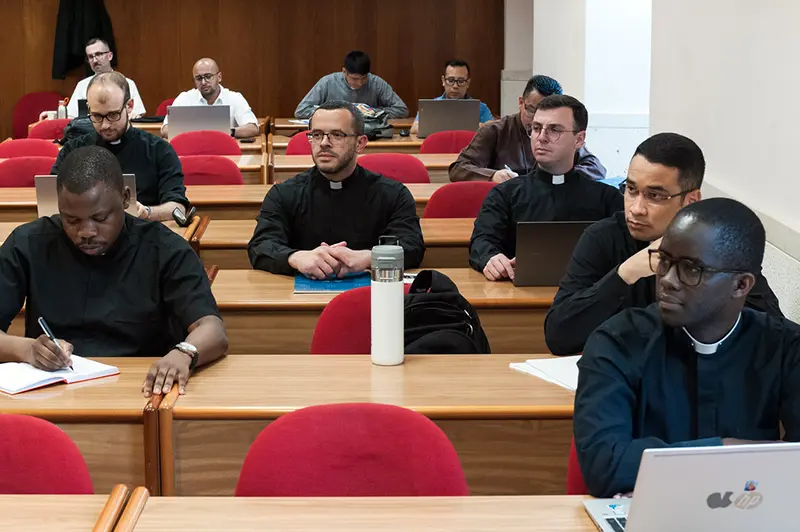
Jóvenes seminaristas y sacerdotes católicos asisten a clase en un aula universitaria, vestidos con la sotana negra o camisa clerical con alzacuellos. Están atentos, tomando notas o usando portátiles, como parte de su formación intelectual y espiritual para vivir plenamente su vocación y el compromiso del celibato sacerdotal.

Learning to be a shepherd, from the beginning

A seminarian does not wait to be ordained to learn to be a pastor. Training starts now. In these real experiences he discovers the multiple dimensions of the priest: consolation for those who suffer, patience with those who doubt, the joy of hidden service, attentive listening to those who seek meaning in their lives.

It is also a key moment of personal and spiritual maturation. Service "tests" vocational motivations, purifies the seminarian's heart and helps him grow in humility and generosity. As he himself cannot yet administer sacraments, its role is focused on accompanying, listening and servingwithout pretensions, from the simplicity of testimony.

Testimonials that speak of life

Many seminarians who receive training grants thanks to the benefactors of the CARF Foundation share their experiences and knowledge. moving testimonies of his life experience. An African seminarian recently recounted how, during his visits to a hospital, he learned to "see Christ in every bed, in every face, in every wound". Another, from America, explained that in catechesis with children he had discovered "the pure joy of transmitting the faith with simple words, but full of truth."

These experiences leave a deep impression. They not only confirm the vocation, but also open the heart to love. A love that will be the basis of future priestly ministry: close, available, cheerful and dedicated.

Stages in the seminar

Training is developed progressively. In the first years, the activities are simpler and are always carried out with accompaniment. As the seminarian advances in his formation, he is entrusted with more responsibilities and is invited to become more directly involved in the life of the community.

In the last years of formation, many seminaries live this custom for a year or for a more intense stage of parish insertion. When the seminarian is ordained deacon, he can now preach, baptize, celebrate weddings and accompany the faithful with greater freedom. This stage is crucial to prepare him for the total dedication that priestly ordination entails.

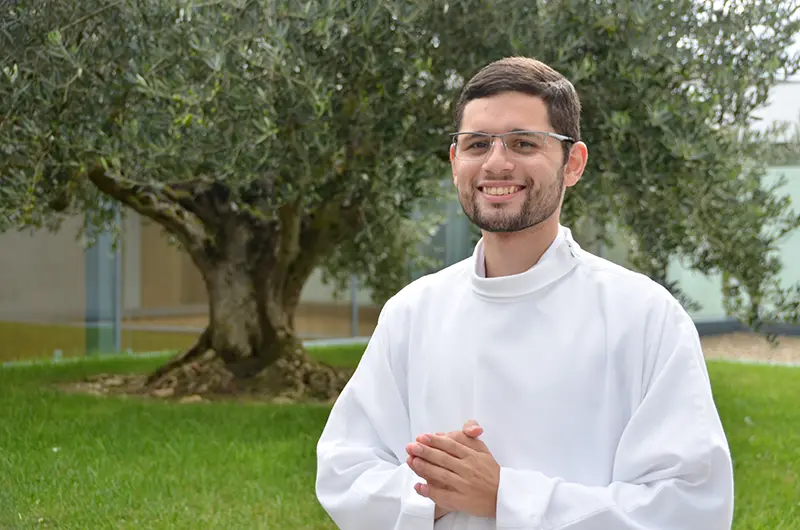
Diacono vestido con el alba blanca con las manos en posición de rezar

Thank you for making this possible

This service role is part of the deep and realistic apprenticeship that prepares seminarians to become priests after the heart of Christ. Thanks to the generosity of the benefactors of the CARF Foundation, hundreds of young men from all over the world not only receive a first-rate academic formation, but are also able to live these experiences that transform their vocation into a concrete and joyful dedication.

Accompanying them on this path is an investment of hope and future for the universal Church. Because where there is a seminarian who learns and gives himself without measure, there will be a faithful community that one day will have a well-formed, close and generous priest.

Samuel Pitcaithly, 9th seminarian from New Zealand

Samuel Pitcaithly joins the list of New Zealand student seminarians who have been trained in the 40 years of the Pontifical University of the Holy Cross (PUSC), in Rome. With this seminarian, there are now nine boys who have passed through the classrooms, libraries and programs of integral formation and personalized assistance of the university.

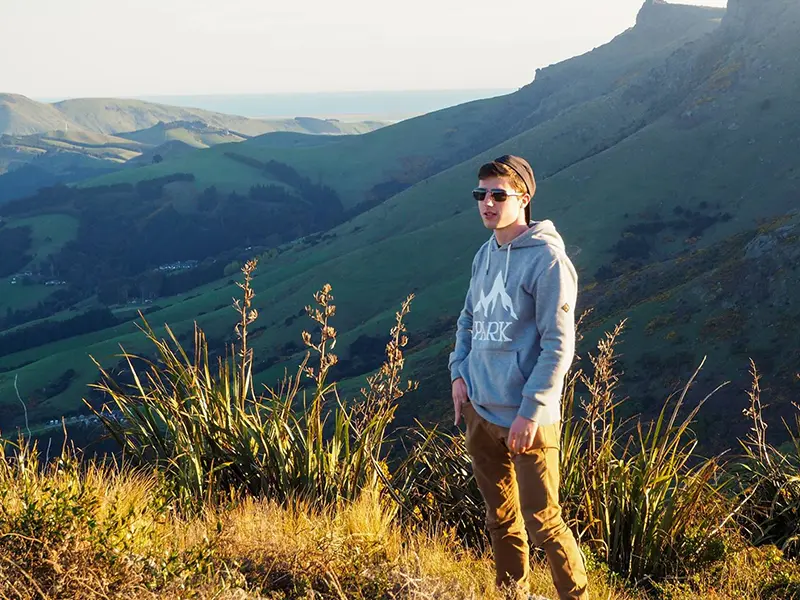
Samuel, joven neozelandés, posa en la cima de una montaña rodeado de naturaleza, con sudadera y gafas de sol.
Before responding to the vocation, Samuel lived in his homeland, New Zealand.

Known for being Tolkien's Middle Earth and a highly secularized country

New Zealand is a country best known for the filming of the book written by J. R. R. Tolkien, The Lord of the Rings, and made into a film by director Peter Jackson, and by his hakathe traditional ceremonial dance of the Maori people, the indigenous people of the country, which is nowadays very famous all over the world thanks to the New Zealand national rugby team, the All Blacks. However, no one knows Tolkien's religious New Zealand Middle Earth for its religiosity.

In fact, New Zealand society is highly secularized: a significant part of the population declares itself to have no religious affiliation. Samuel Pitcaithly is the only student from his country in the PUSC.

The story of Samuel, who was born in Christchurch, New Zealand, on November 22, 1995, and who is currently studying philosophy at the University of New Zealand. Pontifical University of the Holy Crossthanks to a study grant from the CARF Foundation, is precisely the story of many young people in his country, who sometimes grew up far from the faith.

But even in that more distant life a spark can be lit that little by little becomes a fire. In fact, today this young student is a religious seminarian belonging to the Spanish community Siervos del Hogar de la Madre and he tells us his story illuminated by the vocational call to become a priest.

An inherited but dormant faith

"My name is Samuel Pitcaithly, and I come from New Zealand, the country of The Lord of the Rings. I grew up in a Catholic family, but as with many young people today, faith was just another aspect of my life, without much importance.

By the grace of God, there was a youth group in our parish that I attended mainly to have fun with my friends. We received good training, and I found valuable companions who helped me a lot," Samuel tells us.

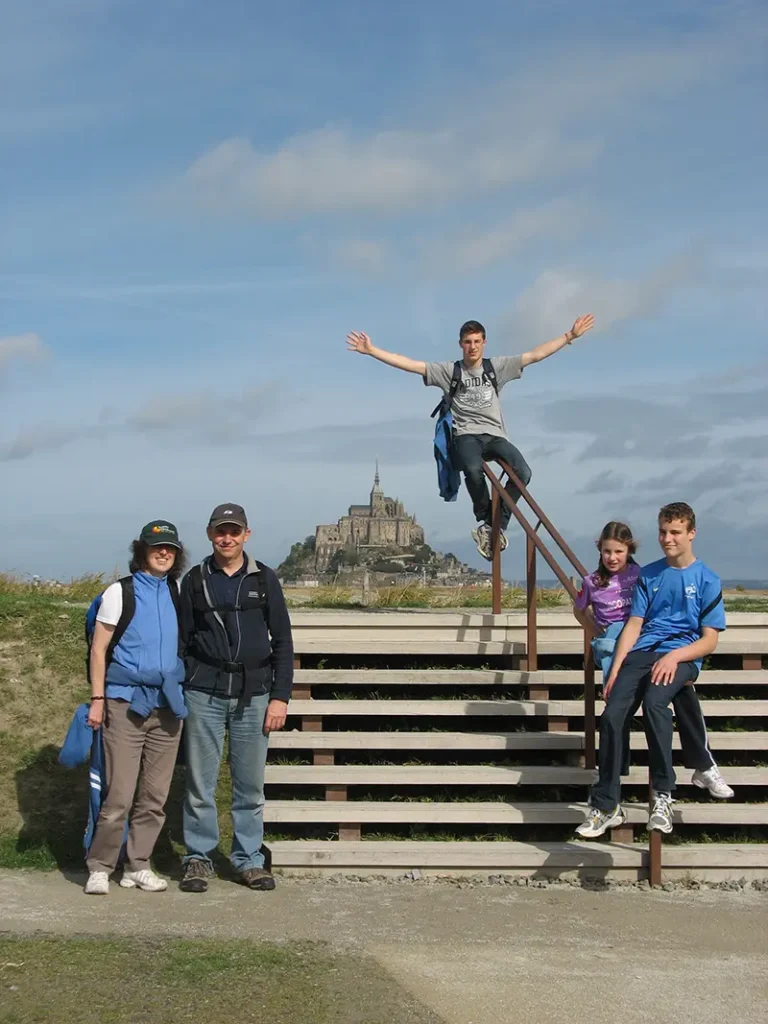
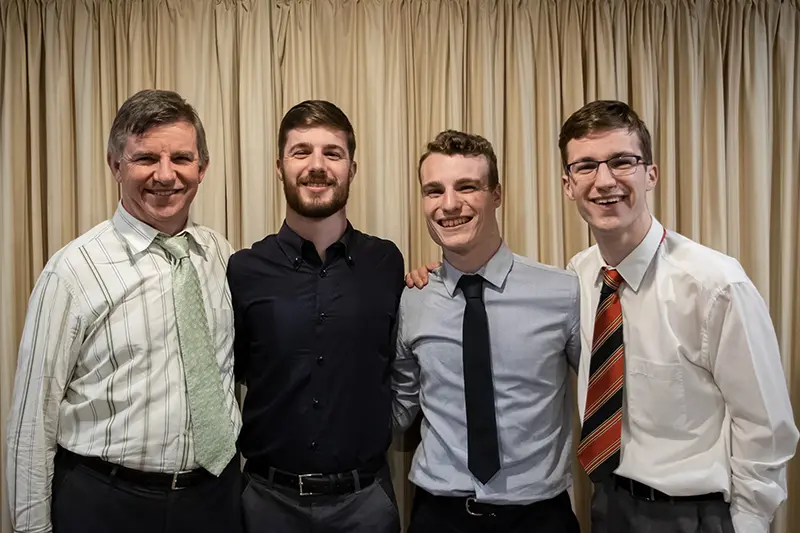
Samuel, seminarista neozelandés, sonríe junto a su padre y sus dos hermanos, todos vestidos de manera formal.
Samuel with his father and brothers in New Zealand, the place where he began his journey as a religious priest.

A life-changing confession

At the age of 17, during a camp for young Catholic leaders, Samuel had a very strong experience with God. On the last night there was a liturgy of reconciliation. They were given a pen and paper and asked to write down all their sins before going to confession.

"At first I wrote the usual: arguments, complaints... but soon the Lord began to remind me of things I had forgotten, hidden or minimized. I filled the whole paper and was surprised by the quantity. When I went to confession, when I received absolution, I felt an enormous weight fall from my shoulders and I experienced the love of Jesus with force. I truly understood that he had died for me. And I felt that I had to do something for Him in response."

The search for meaning

Since then, he started praying and going to Mass on his own initiative. He helped with the youth group and continued his formation while studying engineering at the university. However, that initial fire was extinguished over time.

In his senior year, he decided to participate in a retreat. There, in adoration before the Blessed Sacrament, he asked Jesus what he should do with his life. While all his friends were looking for work, Samuel felt an emptiness.

"I asked Jesus to help me find a job. And then, in my heart, I felt his clear voice: 'I want you to give me two years.

I was surprised. I didn't expect that. But I felt the same deep peace I had felt years before. In that confession; I knew that Jesus was guiding me," he recounts with emotion.

A providential path: NET and Nightfever

Some friends had told him about NET (National Evangelisation TeamsSamuel was a member of the National Evangelization Teams, a group of missionaries who work with young people in various countries. It seemed perfect to Samuel: he could serve the Lord, work with young people and see the world. He signed up and was sent to a parish in Dublin, Ireland.

"There we organized youth groups, catechesis, Confirmation preparation and collaborated in events such as. NightfeverThe event took place in the center of Dublin: an exposition of the Blessed Sacrament, praise music, candles, and volunteers inviting passersby to come in and spend a moment with Jesus.

Many, even those far from the faith, had very strong experiences there," he tells us.

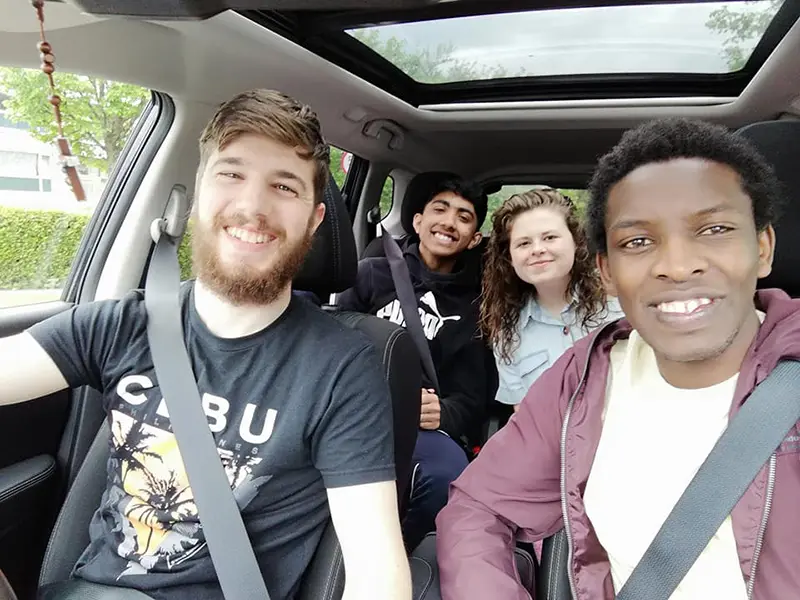
Samuel de adolescente, sonrie junto a tres amigos un coche durante el NET en Irlanda.
Samuel, with three friends during his time in Ireland as NET.

Meeting with the Servants of the Mother's Home

"During one of those nights of NightfeverI saw a young priest in a cassock, juggling with fire surrounded by joyful young people. They were the Servants of the Home of the Mother. I was impressed by their joy, their youth, their passion for the faith." He got to know them and fell in love with their three missions:

  1. Defense of the Eucharist;
  2. Defense of the honor of Our Mother, especially her Virginity;
  3. Conquest of young people for Jesus Christ.

At the end of that night he told a companion, "If God calls me to the priesthood, it will be with them."

The call to the priesthood is confirmed

That same year she went on a pilgrimage with them to Spain. When she was in the chapel of the Motherhouse, she felt she was at home. A year later, in 2020, he joined the community.

"Today, as I look back, I see clearly how God has guided me step by step. Today I have just finished my first year of studies for the priesthood at the Pontifical University of the Holy Cross. It is a blessing to be able to form myself in the heart of the Church, surrounded by seminarians and professors from all over the world, all seeking holiness," he says.

Thank you to the benefactors of the CARF Foundation.

Samuel would like to thank the benefactors of the CARF Foundation for their prayers and support: "I am deeply grateful for all that you do to make this journey, mine and that of so many fellow seminarians and priests from all over the world, possible. I keep you very much in my prayers and, God willing, one day I will be able to offer Holy Mass for you and your intentions.

May God and Our Blessed Mother bless you abundantly!".


Gerardo FerraraDegree in History and Political Science, specializing in the Middle East. Head of the student body at the Pontifical University of the Holy Cross in Rome.

Seminarian Xudong impressed by Spain

Xudong FengHe came from Taiyuan, an ancient diocese in northern China; he arrived with his eyes wide open, his heart full of faith and his soul trembling. It was the first time he had left his country, and although he was overwhelmed by the uncertainty and the difficulty of the language, Something inside him told him that he was not coming just to study: he was coming to grow.

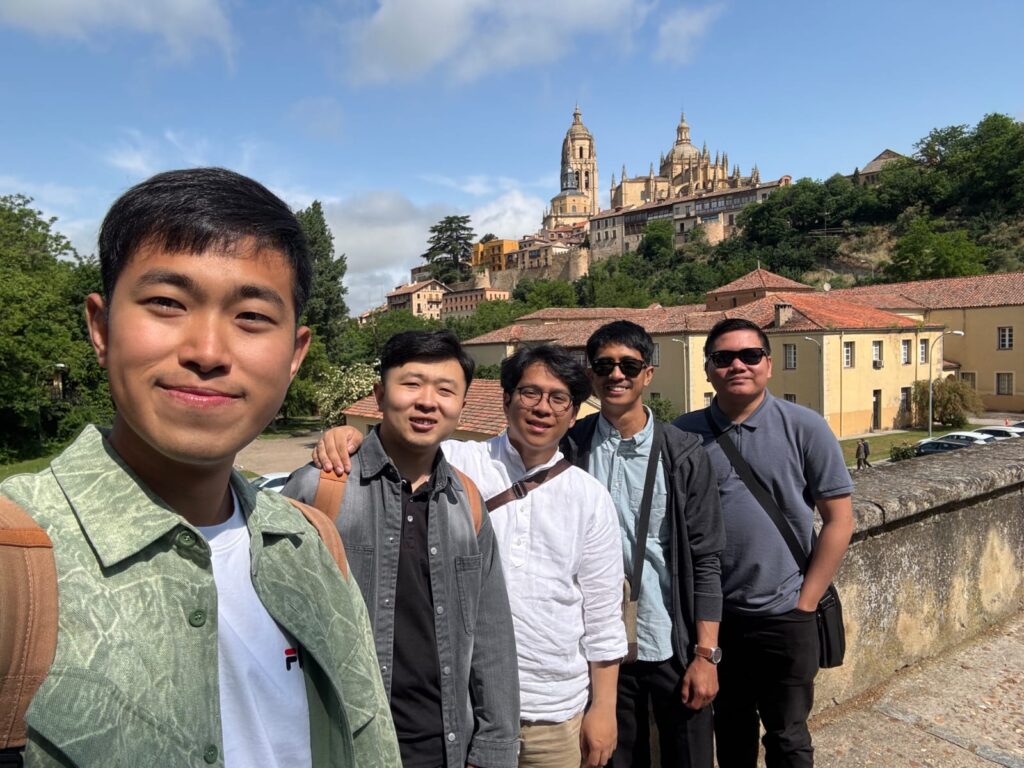
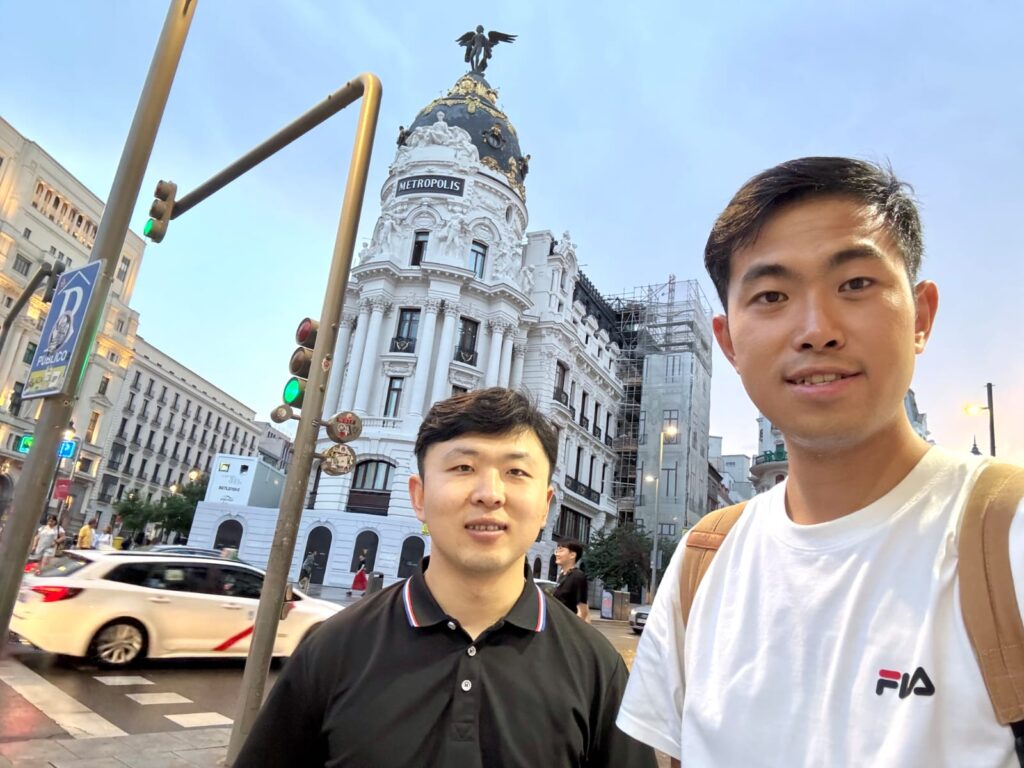
Together with Xudong Pedro Mari, two other seminarians from China, residents of the Bidasoa International Seminary and studying in the Ecclesiastical Faculties of the University of Navarra, will carry out their pastoral work in Madrid this summer, collaborating with the parish priests in liturgical and catechetical tasks.

Xudong Pedro Mari's compatriots are Pengfei Wang (José Pedro), who belongs to the Archdiocese of Taiyuan and has just completed the bridging course of the Bachelor of Theology, and Zhinqinag Duan, (Paul) from the Archdiocese of Beijing, who is studying the fourth year of the Bachelor's Degree in Theology.

Xudong Feng seminarista chino bidasoa

A universal Church

Together with Xudong Pedro Mari, Pengfei José Pedro and Zhinqinag Pablo, 28 other seminarians from different countries will travel during these summer months to parishes in Madrid. This group of young people will collaborate with the parish priests in the preparation of the sacramentsThe program includes catechesis, catechesis and other pastoral and liturgical work as part of their integral formation process.

At the Bidasoa International Seminary, Xudong Pedro Mari has found something he did not expect. In that corner of Pamplona, he not only made friends from almost every continent - Africa, Latin America, Europe, Asia - but also discovered "the beauty of a truly universal Church," he says. Every conversation, every shared celebration, every dish he tasted or custom he learned, was for him a lesson in communion.

"At first I had a hard time speaking. I didn't understand the language well, but little by little I began to understand. Today I can say that I understand more than words; I understand hearts," says Xudong Pedro Mari with a friendly smile.

Xudong Feng seminarista bidasoa

The spiritual environment of Spain

Xudong Pedro Mari studies in the University of Navarra thanks to the support of the CARF Foundation. Every day he walks through the corridors of the Ecclesiastical Faculties with his notebook in his hand and with a deep conviction: that his vocation is a gift to others.

Xudong Pedro Mari has been particularly impressed, the spiritual environment he has found in Spain. "There are many churches here. Even in the universities, in the hospitals... One breathes faith. It's something that nourishes me inside. It reminds me that the Church is alive!" he exclaims.

From Navarra, he shares every discovery with his family. "I tell them everything: the culture, the customs, the food, the way of living the faith. They are very happy. They are glad I am here learning, because they know it is to go back home better."

Xudong Feng seminarista bidasoa

The difficulties of the Church in China

And his home is Taiyuan, a diocese with more than 100,000 Catholics, where the sacrifice of centuries of persecution is still in the air. "The Church in China has been through a lot. From the Tang dynasty, in the 7th century, with the Nestorian Church, to the arrival of the Jesuits in the 16th century. There has been much difficulty, but the faith is still there, like a flame protected by old hands.".

Xudong Pedro Mari recalls with emotion how his vocation was born in this land of faithfulness: "My grandfather and my parents taught me to go to Mass every day since I was a child. It was not an obligation, it was an inheritance. That's how I began to feel that I wanted to be a priest".

Today, as he completes his training, knows that China needs a lot of priests and missionaries. The Church is growing, but still faces challenges: social tensions, little freedom in some places and, above all, the need for hope.

"I am here thanks to many people who believe in our vocation. Thanks to the CARF Foundation, I can train well to serve better. I know that my journey does not end in Navarra: it is just beginning. I want to return to my people, to my diocese, and give back what I have received."

Xudong Pedro Mari, the seminarian with oriental eyes and a universal heart, walks slowly, without haste, but firmly. His story is the story of thousands of Christians in China who, amidst silence and fidelity, continue to keep the faith alive. And it is also the story of a Church without borders, where a young man from Taiyuan can find, in Spain, a home for his vocation.

Xudong Feng seminarista bidasoa

Marta Santín, journalist specializing in religion.

"God continues to call and does not forget Venezuela".

Leonardo was born in El Tigre (Venezuela), but grew up in Pariaguán, "a town to which God has given beautiful sunsets that can be appreciated on the great flat horizon when the sun goes down," says Leo.

In that town he keeps his best memories with his family and friends, a village to which he always returned for vacations during his time in the seminary in Venezuela to be with his family and help in the parish.

He spent his childhood there, accompanied by his mother and grandmother, the two women who sowed in him the seed of faith. "My family is a gift from God for me," he confesses tenderly. He is the youngest of four siblings, and although his father was absent, the warmth of his home, Sunday catechesis and the example of his elders gave him a deep sense of community.

Now, her nieces and nephews are the joy of them all. "For me, the family is an essential part of my life in all aspects. Leo is saddened to recall that some of his family members have had no choice but to leave Venezuela due to the political situation.

Saying yes to the Lord and receiving a good education

It was in his adolescence, while helping as an altar boy, singing at Mass or participating in the Legion of Mary, that he began to wonder about his future. At the age of 17, he decided to say yes to the Lord, encouraged by the close witness of his parish priest. "The Lord called me in the most ordinary of times: as a young man who wanted to do something with his life."he says. And so, Leonardo decided to take this beautiful adventure that captivates him more and more every day.

It now resides in the Bidasoa international seminarHe is a student of the Ecclesiastical Faculties of the University of Navarra. He was sent by his bishop, Mons. José Manuel Romero Barrios, to serve the young diocese of El Tigre, which has just turned seven years old.

"As my bishop says, we are sowing what others will reap. There is a great need for priests and it is fundamental that we are well trained, not for us, but for the people, who have the right to good pastors."

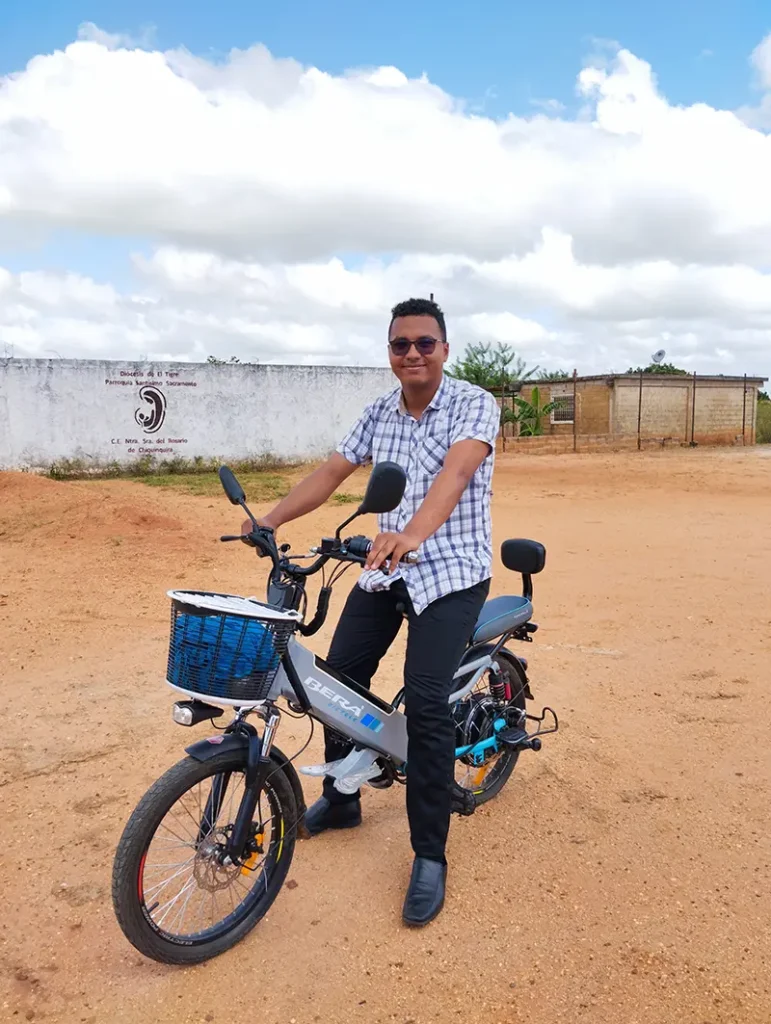
Leonardo posa subido a una motocicleta en su pueblo nata, en Venezuela, mientra piensa en Dios.

Venezuela, an opportunity to evangelize

In Venezuela, where shortages and social tensions have marked generations, Leonardo does not see discouragement, but mission. "It is a great opportunity to console a humble people who suffer. To evangelize today is to be close, to listen, to present to God the wounds of all. And to trust.".

Leonardo recalls that difficulties have always been present in the life of the Church, both in Venezuela and in other countries.. "It is in these difficulties that we can find opportunities to bring the Lord Jesus to all those people who are suffering and thirsting for Him," he says.

This requires a lot of dialogue, respect and, above all, the ability to listen to and accompany people who live in anguish, with difficulties, but also with joy and longing for God. "This is the way to bring about a change in my country, sustaining the faith of all these people and trusting in God's mercy," he says hopefully.

The priest of the 21st century

Well-trained priests are needed to promote this change. When we asked Leonardo what a priest should be like in the 21st centuryHe does not hesitate: "He must be someone who listens, who consoles, who does not judge. An instrument of God for forgiveness. A man of prayer, able to see the person face to face, not only from a screen or through social networks. A poor, free, humble witness who trusts in God's plans".

This young seminarian has it clear and this is his commitment: to form himself as a priest who is attentive, respectful, informed of world events, but also capable of deepening his knowledge of the particular context in which he finds himself.

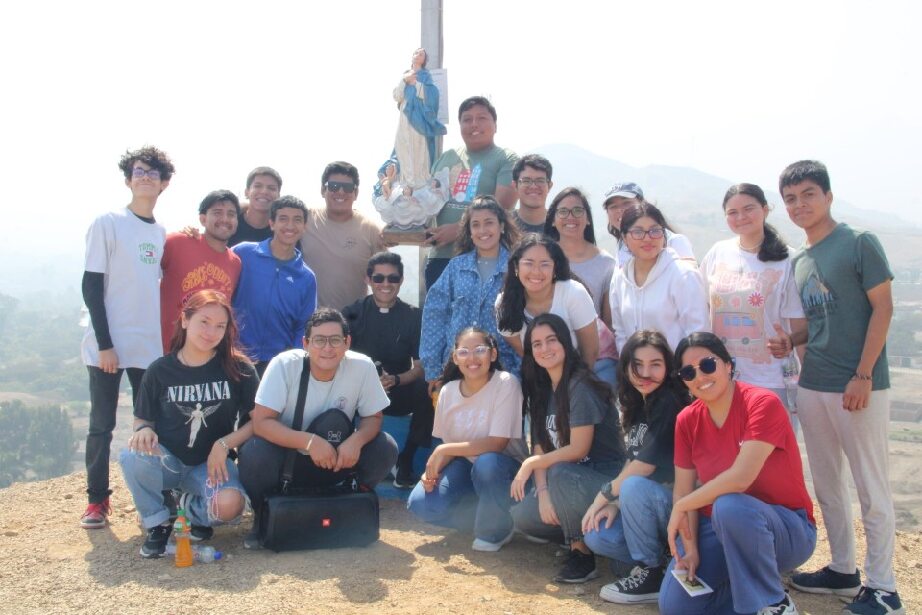
Un grupo de jóvenes durante una peregrinación mariana posan felizes en la cima de una montaña.

"Let the people who see a priest see someone they can trust and find support in. A priest of our time must be obedient and willing to suffer any calamity to proclaim the Word of God, to bring Jesus to all.", remarks.

Secularization in young people

In an increasingly secularized world, he does not lose hope and optimism, mainly because he sees every day that many young people feel the call of God.

"To attract young people to the faith requires understanding and closeness, but above all prayer.Because all evangelization strategies would be sterile if we do not trust and place ourselves in God's hands. Christ continues to captivate, but we must know how to present him in a way that speaks to them."he says enthusiastically.

The young Leonardo understands today's youth perfectly, because he himself is part of the so-called Zeta generation. For this reason, he recalls that in order to evangelize young people it is necessary to understand how they think today.

"That is a very complex reality. However, a priest can approach and listen to the concerns of young people, make them see that there are much deeper things and that in God is our happiness."

Humberto Salas, sacerdote de Venezuela junto a algunos monaguillos de su parroquia.

Ties between Spain and Venezuela

Leonardo also tells us about the ties between Spain and Venezuela and leaves us a message for reflection: "Europe brought the faith to America, but Europe is losing the faith and America is preserving and sustaining it".

For him, Venezuela and Spain can complement each other in every way: "Spain has welcomed us and we can only offer them the best of ourselves. The human and Christian values of Venezuelans are a glass of fresh water for all of Spain and Europe.The history and tradition of Europe helps to broaden the horizons of all those who come here.

For this reason, he is very happy to be in Spain and to reside in the Bidasoa International Seminary where he has found a home: "It is impressive to see seminarians from so many countries with the same yearning. Here I have made friends, I have prayed, I have studied. It is an environment conducive to growth. You can feel the universal Church.

Leonardo knows that his path is demanding, but he does not hesitate. Because there is a certainty that sustains him: God never stops calling. And he, with serenity and joy, has already answered.


Marta Santín, journalist specializing in religion.

Feast of the Sacred Heart of Jesus 2025

On the Feast of the Sacred Heart of Jesus we celebrate the liturgical solemnity of God's love: today is the feast of love, Pope Francis said a few years ago. And he adds "the Apostle John tells us what love is: not that we loved God, but that He loved us first. He waited for us with love. He is the first to love. St. John Paul II said that "this feast recalls the mystery of the Love that God harbors for men and women of all times".

When is the feast of the Sacred Heart of Jesus celebrated?

The whole month of June is dedicated to the Sacred Heart of Jesus, although its feast day is after the octave of Corpus Christi. This 2025 is celebrated on Friday, June 27.

During the feast, St. Josemaría invites us to meditate on the Love of God: "They are thoughts, affections, conversations that souls in love have always dedicated to Jesus. But to understand this language, to really know what the human heart and the Heart of Christ are, we need faith and humility.

Devotion to the Sacred Heart of Jesus

St. Josemaría emphasizes that as devotees we should keep in mind all the richness that is contained in these words: Sacred Heart of Jesus.

When we speak of human heart we do not refer only to feelings, we allude to the whole person who loves, who loves and treats others. A man is worth what his heart is worth, we can say.

The Bible speaks of the heart, referring to the person who, as Jesus Christ himself said, directs all of himself - soul and body - to what he considers to be his good. "For where your treasure is, there your heart will be also" (

In speaking of devotion to the Heart, St. Josemaría shows the certainty of God's love and the truth of his self-giving to us. In recommending devotion to the Sacred Heart of Jesus, he recommends that we direct ourselves entirely-with all that we are: our soul, our feelings, our thoughts, our words and our actions, our labors and our joys-to the whole of Jesus.

This is what true devotion to the Heart of Jesus is all about: knowing God and knowing ourselves, and looking to Jesus and turning to Him, who encourages us, teaches us, guides us. There is no room for more superficiality in devotion than that of a man who, not being fully human, does not succeed in perceiving the reality of God incarnate. Without forgetting that the Sacred Heart of Mary is always at his side.

Representación del Sagrado Corazón de Jesús con halo de luz, mostrando el corazón ardiente en su pecho y las heridas de la crucifixión en sus manos, sobre fondo oscuro.

What is the significance of the Sacred Heart?

The image of the Sacred Heart of Jesus reminds us of the central core of our faith: how much God loves us with his Heart and how much we, therefore, must love him. Jesus loves us so much that he suffers when his immense love is not reciprocated.

Pope Francis tells us that the Sacred Heart of Jesus invites us to learn "from the Lord who has made himself food, so that each one can be even more available to others, serving all those in need, especially the poorest families".

May the Sacred Heart of Our Lord Jesus Christ, which we celebrate, help us to keep our hearts full of merciful love for all those who suffer. Therefore, let us ask for a heart:

We can demonstrate our love by our works; this is precisely what devotion to the Sacred Heart of Jesus is all about.

The peace of Christians

On this feast, we Christians must resolve to strive to do good. There is much to be done to ensure that our earthly coexistence is inspired by love.

Even so, the pain will not disappear. In the face of these sorrows, we Christians have an authentic response, a response that is definitive: Christ on the Cross, God who suffers and dies, God who gives us his Heart, who opened a lance for love of all.

Our Lord abhors injustice, and condemns the one who commits it. But, as he respects the freedom of each individual, he allows them to exist.

His Heart full of Love for mankind made Him take upon Himself, with the Cross, all these tortures: our suffering, our sadness, our anguish, our hunger and thirst for justice. To live in the Heart of Jesus is to unite ourselves closely to Christ; it is to become God's dwelling place.

"He who loves me will be loved by my Father, our Lord announced to us. And Christ and the Father, in the Holy Spirit, come to the soul and make their dwelling in it," St. Josemaría.

Men, their lives and their happiness are so valuable that the Son of God Himself gives Himself to redeem them, to cleanse us, to elevate us. Who will not love his heart so wounded? asked a contemplative soul. And he would go on asking: who will not return love for love, who will not embrace a heart so pure," St. Josemaría Escrivá added.

Iglesia del Sagrado Corazón de Jesús en Roma

How did the feast come about? History of the Sacred Heart of Jesus

It was an explicit request of Jesus, who on June 16, 1675, appeared to her and showed his Heart to her. St. Margaret Mary Alacoque. Jesus appeared to her on several occasions and told her how much He loved her and all men and how much it grieved His Heart that men were turning away from Him because of sin.

During these visits, Jesus asked St. Margaret to teach us to love Him more, to have devotion to Him, to pray and, above all, to behave well so that His Heart would no longer suffer from our sins.

Later, St. Margaret with her spiritual director would spread the messages of the Sacred Heart of Jesus. In 1899, Pope Leo XIII published the encyclical Annum Sacrum on the consecration of the human race, which took place in the same year.

During his pontificate, St. John Paul II established that on this feast the World Day of Prayer for the sanctification of priests should also be celebrated. Many groups, movements, orders and religious congregations, since ancient times, have placed themselves under his protection.

Rome is home to the Basilica of the Sacro Cuore (Sacred Heart) built by St. John Bosco at the request of Pope Leo XIII and with donations from the faithful and devotees from various countries.

Prayer to the Sacred Heart of Jesus in Catholic Devotionals

How to pray to the Sacred Heart of Jesus? We can get a prayer card or a picture of the Sacred Heart of Jesus and, before it, perform the family consecration to his Sacred Heart, in the following way:

Written by St. Mary of Alacoque:

"I, (say here your name), give and consecrate myself to the Sacred Heart of Our Lord Jesus Christ, my person and my life, my prayers, sorrows and sufferings, so as not to want to serve myself from any part of my being, but to honor, love and glorify Him. It is my irrevocable will to be all of Him and to do everything for His love, renouncing wholeheartedly all that could displease Him.

I take you, therefore, O Sacred Heart, for the only object of my love, the protector of my life, the security of my salvation, the remedy for my frailty and my inconstancy, the repairer of all the defects of my life, and my asylum at the hour of my death.


Bibliography

It is Christ who passesSt. Josemaría Escrivá.
ConfessionsSt. Augustine.
Letter, October 5, 1986, to Fr. R. P. Kolvenbach, M. R. KolvenbachSt. John Paul II.
Opusdei.org
Vaticannews.va

Angola's vocation: from the field to the seminary

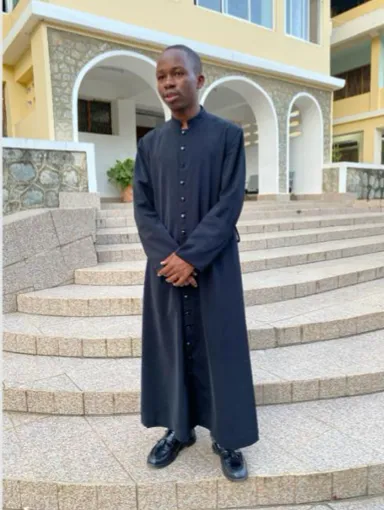
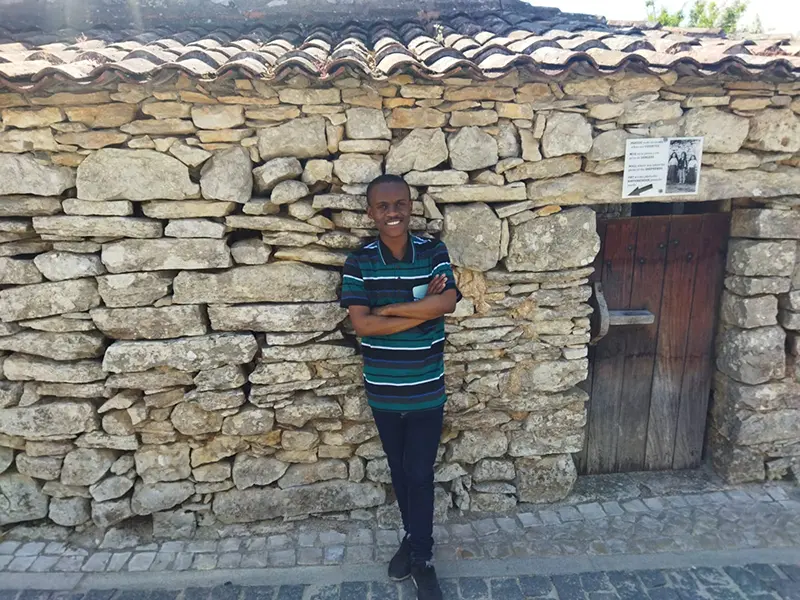
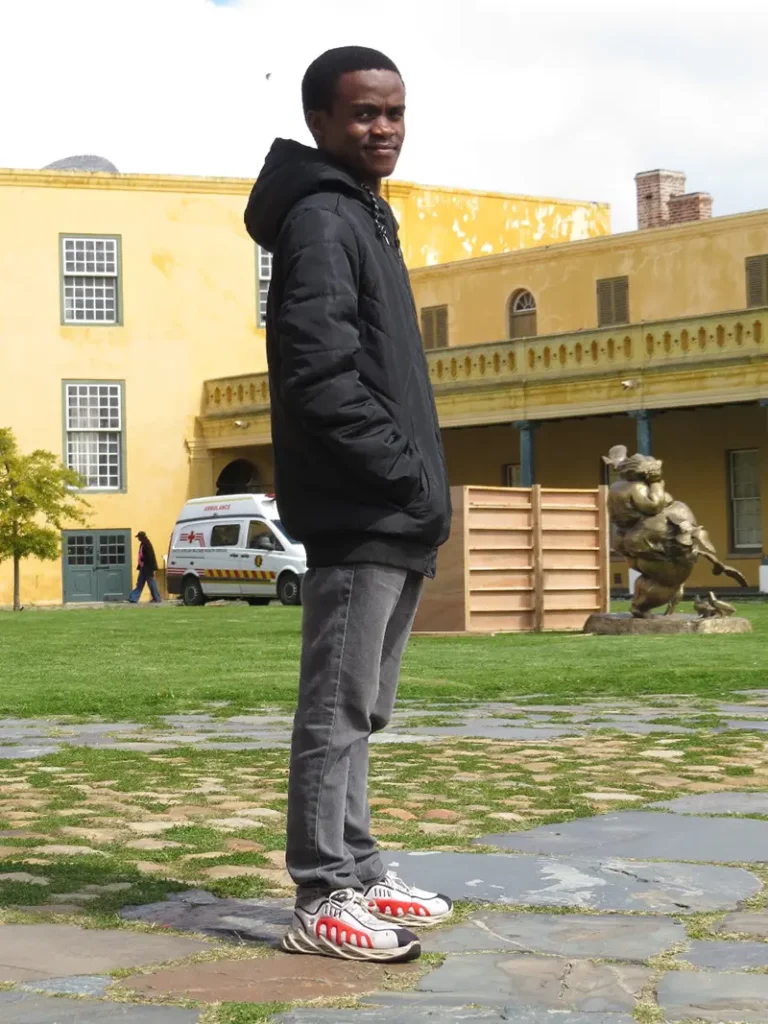
Gonçalves is a young man from Angola who discovered his vocation at a very young age, when he was eight years old. "My heart burned and I dreamed of being a catechist," he recalls with emotion. Today, together with a companion, he is one of the first vocations of Angolan seminarians studying at the Bidasoa international seminarin Pamplona.

Angola is a country rich in natural resources such as diamonds and oil. However, it continues to face great challenges. The lack of a sense of belonging among its citizens and the lack of responsibility of some rulers towards the common good contribute to the persistence of poverty.

In the service of your country

Gonçalves Cacoma Cahinga is fully aware of the challenges facing his country. Although his priestly vocation is focused on evangelization and the administration of the sacraments, he knows that, through his ministry, he will be able to contribute to the well-being of many of his compatriots.

"Despite the poverty, the shortage of schools, the lack of road infrastructure and the deficiencies in the health system, whoever visits my country will discover, above all, the joy of its people. Hospitality, humility, the desire to learn and unity among diverse cultures are living signs of the Angolan spirit and privileged paths for evangelization.

I would also highlight the deep faith of the people and their vibrant liturgy, which allows an authentic encounter with the divine, without forgetting the charms of our nature and the richness of our gastronomy," he says enthusiastically.

Angola's first vocation in Bidasoa

He belongs to the diocese of Lwena-Moxico, the largest in Angola, with an area of 223,000 km². Together with a companion, he is the first Angolan to study at the Bidasoa International Seminary. This year he will begin his third year of theology. "I have always defined my vocation as a true divine Providence" and my bishop Dom Martin Lasarte was the one who wanted me to come to Spain to be formed.

Gonçalves can be formed in Bidasoa thanks to the support of the CARF Foundation, which covers the costs of his priestly preparation. This commitment to formation is one of the fundamental pillars of the Foundation: to help vocations in countries with fewer resources, so that none are lost due to lack of financial means.

A family environment full of values

"I come from a humble, peasant family, composed of eight members: four men and three women. I am the seventh child and the only one who is still studying, since my brothers and sisters have already formed their own families. My parents, although elderly, are still alive. All of my family is Christianbut only my mother, one brother and three sisters are Catholics; the others belong to other Christian denominations. Despite the economic limitations, we grew up in an environment full of human and religious values that have deeply marked our lives," says Gonçalves.

His vocation to the priesthood was born when he was eight years old. "I used to go every Sunday to church with my mother, and I was fascinated to watch the catechist explain the readings. I felt a burning in my heart and dreamed of being a catechist one day."

This desire was strengthened in 2012, when the religious priests of the Congregation of the Sacramentaries of Our Lady arrived in his municipality from Brazil. They founded the parish of St. Anthony of Lisbon and, with their witness of life, their dedication to the Word of God, their service in the most remote villages and their care for the elderly and street children, completely transformed his vision: "From wanting to be a catechist, I went on to feel a call to the priesthood," he says.

Goncalves-Cacoma-Cahinga-Angola-vocación-sacerdote

Economic difficulties and tribulations

But his vocation has not been free of difficulties and tribulations that have deeply marked his path, to the point of being on the verge of shipwreck.

In 2014 he moved to another municipality to continue his studies and, during that time, he moved away from the Church. In 2016 he finished the second cycle, returned to his town and was unable to continue studying due to lack of economic resources.

"During that year, I had other plans: to start a family and look for a job. However, the Lord had other paths for me. The priests spoke with me and my parents, and invited me to participate in vocational formation with a view to entering the seminary. Thus, in 2018, I entered St. John Mary Vianney Propaedeutic Seminary."

Three years later, in 2020, the priests who financed his studies returned to his country and, unable to continue due to lack of means, he decided to leave the seminary. However, thanks to the intervention of his rector and a generous lady who offered to pay for his education, he was able to enter the St. Joseph major seminary of philosophy, where he studied for three years.

Seminario internacional Bidasoa

A great opportunity to mature in your vocation 

Gonçalves is currently attending the Bidasoa International Seminar in Pamplona. "For me it was a real surprise, and also for my family. It is an opportunity to grow in my vocation, in my mission and to mature more in my formation," he says with gratitude.

Aware of the pastoral need in his country, he adds: "In my diocese, although there are many Catholics, there are few priests and few parishes. That is why I am deeply grateful to all the benefactors of the CARF Foundation for the opportunity they are giving me. For me, being in Bidasoa is a great richness, because it allows me to discover the greatness of the universal Church".

He ends his testimony with a heartfelt thank you to the CARF Foundation, whose help has been key to his vocation moving forward.


Marta Santínjournalist specializing in religion.