Allow me to write a few lines, after having read an article of yours published in a parish magazine. And allow me to express myself freely, after a good number of years of priestly work, and after years, during my university studies, of having lived in a “God-seeking atheism”.
Finding God by reading books
I congratulate you for the sincerity with which you express yourself, and I recommend that you continue to maintain the deep desire to find God by reading books like the one you now have in your hands, which has already done a lot of good to a good number of people.
His words: «I am an atheist as a curse and because I don't feel able to stop being one», lead me to think that has not given up his determination to one day receive faith in Jesus Christ, God and true man (I presume you are baptized). If so, I suggest you do not try to “rationalize” the concept you may have made of the God you are looking for.
He came to earth to be closer to us, to transmit to us the love of father and mother with which he created us, and to make it easier for us to meet him face to face. And to tell us that he will always accompany us in all the situations in which we do ourselves so much harm, because of our sins. For this reason I recommend that you read, step by step and without interruption, the Four Gospels and the Acts of the Apostles.
And read them asking Jesus to increase your Faith, asking the Holy Spirit to accompany you in the reading. And read, letting what you read enter your intelligence and your heart drop by drop: the Grace of God will do its work and will open the eyes of the spirit to end up making an Act of Faith in the real presence of Jesus Christ in the Eucharist.
Let me ask you a question: Do you go into a church from time to time and approach the tabernacle and ask the Lord to give you the faith to believe that He is there? Do not expect an immediate response, a strong or dazzling feeling. The Lord speaks slowly, in silence, in half-light, so that we may use freedom and love, and continue to seek Him and speak with Him.
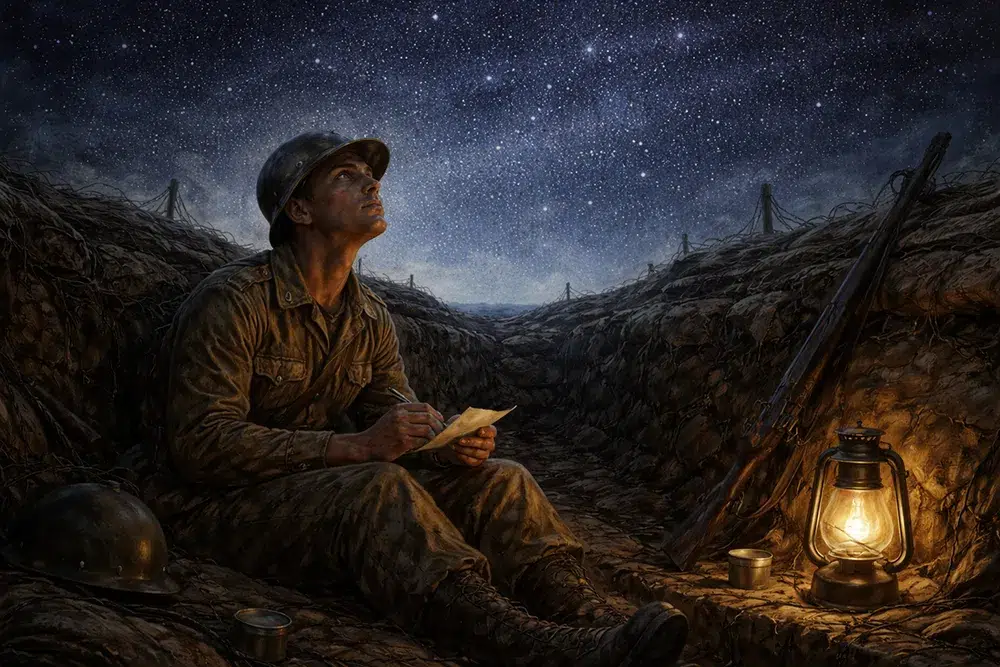
I would like to add this prayer of a soldier in the second world war. He left it written before receiving the order to assault an enemy trench. After the assault, he died.
When man discovers God at the limit
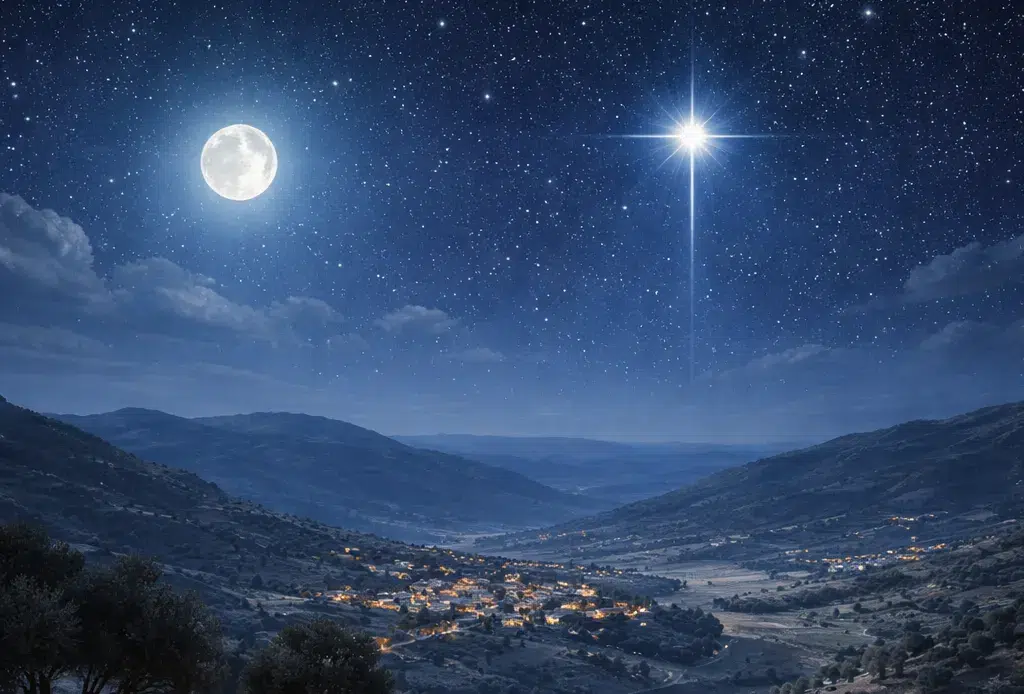
"Listen, oh God! In my life I have never once spoken to You, but today I feel like having a party. Since I was a child I have always been told that You do not exist... And I, like an idiot, have believed it. I have never contemplated your works, but tonight I have seen from the crater of a pomegranate the sky full of stars and I have been fascinated by their brightness.
I do not know, O God, if You will give me Your hand, but I tell You that You understand me... Is it not a strange thing that in the midst of a dreadful hell the light has appeared to me and I have discovered You? I have nothing more to say to you. I am happy, for I have met you.
At midnight we have to attack, but I'm not afraid, You see us. They have given the signal! I have to go. How nice it was with you!
I want to tell you, and You know it, that the battle will be hard: perhaps tonight I will come knocking at your door. And though I have not been your friend until now, when I come, will you let me in? But what is the matter with me? shall I cry? My God, look what has happened to me. Only now have I begun to see clearly... My God, I'm leaving... It will be hard to come back. Strange, now I'm not afraid of death!".
The concrete path: prayer and reading of the Gospel
Such a cry can spring from the heart of any man who, walking on earth, has ever raised his gaze to Heaven. With his groans, with his smiles, with his weeping at the portal of Bethlehem, the Lord continues to knock at the doors of the hearts of all his children, of all his daughters, in the whole world, whether they have heard of him, or whether they have never heard the name by which the Archangel called him: Jesus.
I accompany you with my prayers to the Blessed Virgin Mary., I will not fail to greet her from time to time, and with a special remembrance at Holy Mass, and I remain at your disposal if you see fit.
Table of Contents
Ernesto Juliá, (ernesto.julia@gmail.com) | Previously published in Religion Confidential.
Jesus of Nazareth: history's most influential figure
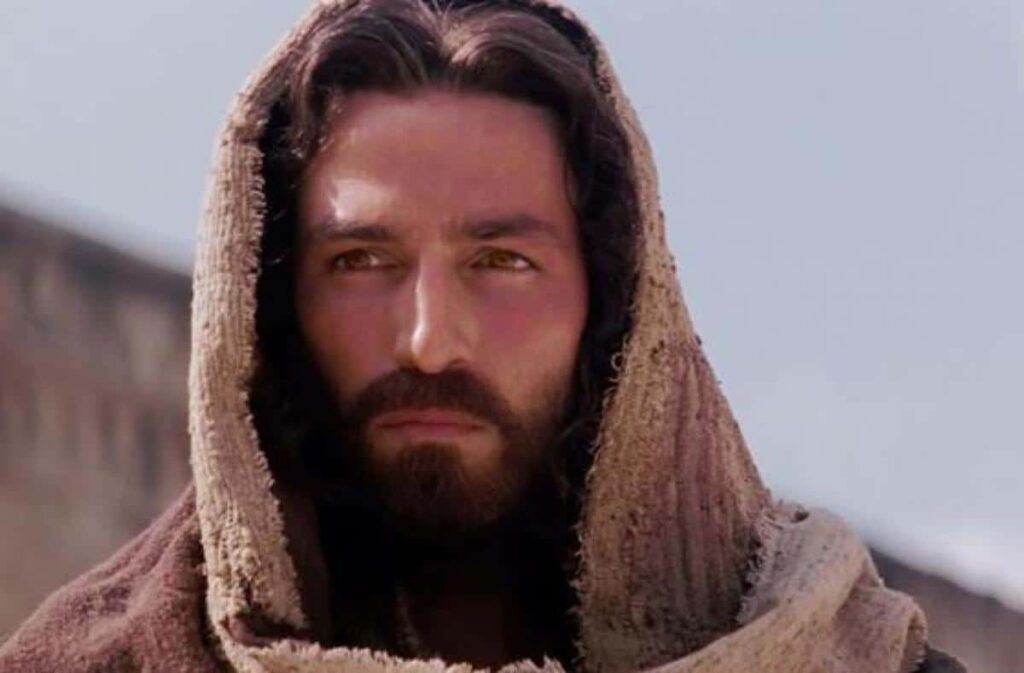
Did it really exist Jesus of NazarethWhat can we say about him from the historical point of view? Is it possible to distinguish between the Jesus of history and the Christ of faith?
These questions, which have traversed centuries of cultural and academic debate, constitute the starting point of the bookJesus of Nazareth: myth or history?, by Italian writer and researcher Gerardo Ferrara, recently available also in Spanish.
Far from proposing a complex academic treatise, the book invites the reader to walk along the path of historical research on the figure of the Nazarene, The book is an analysis of ancient sources, contemporary studies and the cultural context of Judaism in the first century.
Interpretations of the historical existence of Jesus of Nazareth
For centuries the historical existence of Jesus was not seriously questioned. It was from the Enlightenment onwards that new questions and critical methods emerged, giving rise to an intense historiographical debate. In this context, the French philosopher Jean Guitton proposed three possible answers to the historical problem of Jesus: the critical solution, which recognizes his existence but rejects the supernatural elements; the mythical solution, according to which Jesus would never have existed; and the solution of faith, which considers the testimony of the Gospels. The book examines these perspectives to situate the reader within the contemporary debate.
The religious context of Judaism in the first century
From there, Ferrara proposes a journey through the world in which Jesus lived. The reader discovers the complex religious and social mosaic of first-century Judaism: Pharisees, Sadducees, Zealots and Essenes; groups that represented the different ways of living the Law and the identity of Israel under Roman domination. Understanding this context is essential in order to interpret many of the tensions present in the Gospels.
The meaning of the name of Jesus
One of the most suggestive aspects of the book is the attention to linguistic and cultural details. For example, the very name of Jesus -Yehoshua in Hebrew - literally means God saves, which allows us to better understand the symbolic dimension that his figure acquired within the biblical tradition and the Judaism of his time.
Messianic expectation in the Jewish world
The author also examines the intense messianic expectation that characterized the Jewish world in the years immediately prior to the birth of Jesus. Various traditions and ancient texts spoke of the arrival of a liberator from Judea. Even Roman historians such as Publius Cornelius Tacitus or Gaius Suetonius Tranquillus mention that in the East there was a conviction that a ruler destined to dominate the world would emerge from that region.
The possible historical explanation of the star of Bethlehem
Among the most curious aspects of the essay is the historical analysis of the so-called star of the Nativity scene. Some astronomical studies, taking up an intuition of Johannes Kepler himself, have related this phenomenon to an extraordinary conjunction of the planets Jupiter and Saturn in the constellation of Pisces in the year 7 B.C., an event that may have been interpreted in antiquity as a sign of the birth of a great king.
The book also addresses specific historical issues related to the Gospel accounts: the census ordered by Augustus, the reign of Herod the Great, the complex political situation in Judea under Roman rule, and the religious context in which Jesus' preaching arose.
Press articles
Throughout the essay there are numerous references to scholars who have marked modern research on the historical Jesus -among them David Flusser, Joachim Jeremias or Joseph Ratzinger- whose research has contributed to renew the dialogue between history, philology and biblical exegesis.
The volume is the result of the adaptation and reorganization of a series of articles published by the author in recent years in cultural and historical magazines, among them Omnes y Facts for history. Now collected in a single volume, these texts offer a clear and accessible synthesis of some of the most relevant debates on the historical figure of Jesus.
The Spanish edition is also published in stand-alone format through Amazon in order to facilitate its international dissemination and make this material available to a wider public interested in the historical study of Christianity.
The historical and cultural influence of Jesus
Beyond strictly religious issues, the figure of Jesus of Nazareth has profoundly marked the history of humanity. Even non-Christian thinkers such as Friedrich Nietzsche, Richard Rorty or Benedetto Croce have recognized the extraordinary cultural influence of Christianity in the formation of Western civilization.
At a time when public debate often oscillates between superficial skepticism and ideological simplification, Jesus of Nazareth: myth or history? invites us to rediscover the value of the historical method, the serious study of the sources and the dialogue between history, culture and faith to approach the most decisive figure in the history of mankind.
Table of Contents
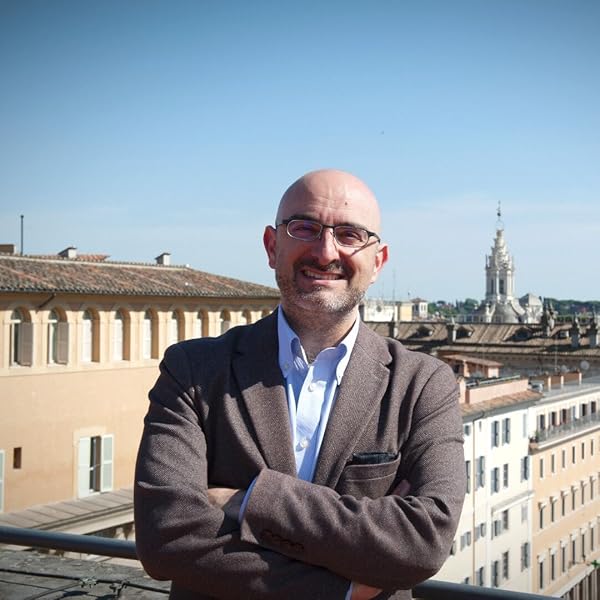
About the author, Gerardo Ferrara.
Born in Italy in 1978, he graduated in Political Science, with a specialization in the Middle East, at the prestigious Orientale University from Naples, and spent many years abroad (Spain, France, Argentina, Tunisia, Lebanon, Israel) for study and work.
His interests range from Music (he studied piano), Linguistics and Philology, to studies on Christianity, Judaism and Islam, the history and culture of the Jewish people, and the cultures and literatures of the Near East.
He published the novels My brother's murderer, in 2013, and The knitting school, in 2016.
He is also a lecturer, essayist and translator of different languages, in particular Spanish, French, English and Portuguese. He has collaborated with RAI, BBC and other Italian and international newspapers (Omnes, among others in Spain) as an expert in history and politics and for the translation of videos, articles and documentaries.
Elizabeth, a life consecrated to God and to the service of the vulnerable
Sister's life consecrated to God Isabel Cristone Setimane, The work of the Mozambique missionary is expressed in a journey of faith and dedication that he wishes to share with deep gratitude and hope. From his childhood in Mozambique to his current training in Canon Law in Rome, her story intertwines the faith received in her family, the discovery of her religious vocation, the service to the smallest and most vulnerable, the social difficulties of her country and the support from the CARF Foundation, which allows you to better prepare for serving the Church and his congregation.
Born in Quelimane in 1987, Isabel is in her third year of her degree in Canon Law at the Pontifical University of the Holy Cross. Her vocation of service to the most vulnerable is coupled with a deep gratitude towards those who make her formation possible, especially the CARF Foundation, who accompanies her on her academic and spiritual journey.
She is the fifth daughter of a deeply religious family. Since her childhood she has known the path of faith: she received catechesis, the sacraments and actively participated in various parish ministries.
After her First Communion, she joined the vocation group, moved by an early desire to consecrate herself as a religious and serve the most vulnerable, especially children in poverty and abused women. After three years of vocational formation, she met the Franciscan Sisters of Our Lady of Victories, founded in 1884 on the island of Madeira (Portugal) by the Venerable Mary Jane Wilson.
Life consecrated to God: the path that marked his vocation
In 2007, she was admitted to the congregation, where she began her aspirancy. She is especially grateful that her parents respected her decision to to consecrate herself as a religious sister. During her years of training, her trainers accompanied her and guided her in the follow-up of her training. Jesus Christ, drawing inspiration from the example of the venerable Mary Jane Wilson and St. Francis of Assisi.
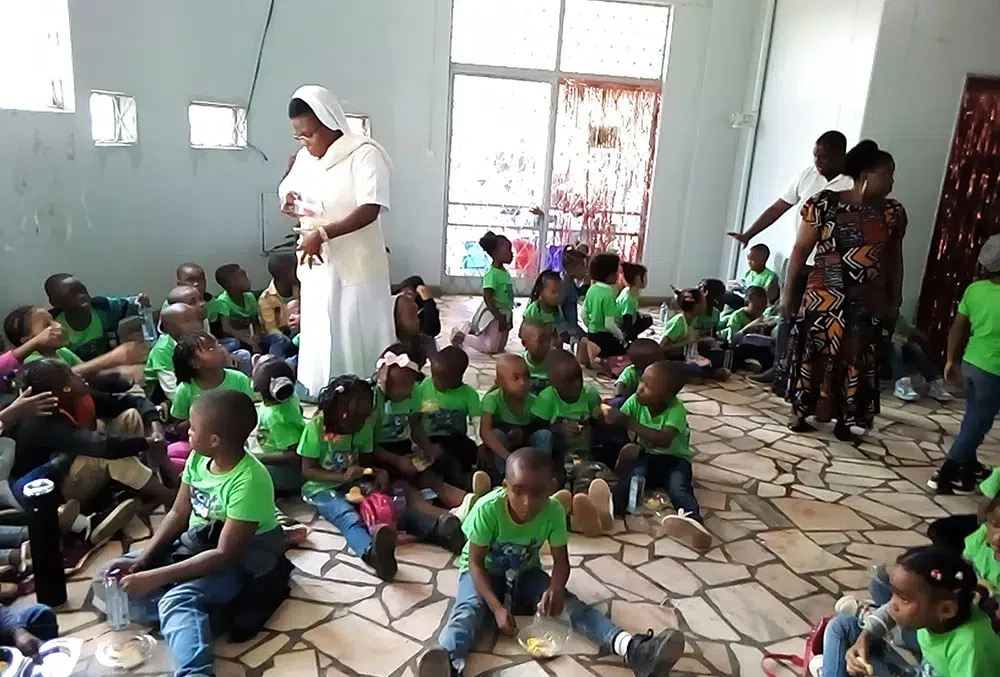
After three years of preparation, on December 8, 2011, by the grace of God, she made her first vows in the chapel of St. Francis of Assisi, in the novitiate house in Mozambique. Soon after, she was sent on mission to the diocese of Gurúè, in the province of Zambezia, where she took care of 125 children, some of them orphans. «There I was able to live, learn and experience the love of God. God reflected in the faces of the little ones,» he says.
The direct contact with the suffering of those children -many of them marked by the death her mothers during childbirth - profoundly transformed her way of looking at life. This experience taught her to appreciate everything and to discover the beauty that remains even in the midst of pain.
«I learned to live with the essentials and to cultivate simplicity with them. In that reality, marked by the poverty but also by a generous and loving dedication, I discovered in every glance the beauty of my vocation: to be consecrated to serve, and not to be served, following the style of Jesus» he says with a smile.
The mission at the service of the vulnerable
The congregation took on this mission in response to the cry of the people of the diocese of Gurúè. With deep gratitude to God, the sisters continue to devote themselves to the care of the little ones, especially in the orphanage. Mary Jane Wilson, in Lioma. Despite the difficulties, they remain firm in their commitment, always seeking the good of the children.
In this context, she thanks her congregation for the opportunity to have been part of this mission. «From a very young age, I felt the desire to work and defend the most fragile, those who are excluded and have no voice. I live my vocation as an active collaboration in the mission of Christ, seeking to do as much good as possible».
A family marked by hardship
In 2024 he lost his father, an event that deeply marked his family. Since then, his situation has changed significantly. His mother, a farmer with no access to formal education, has managed the family in a very difficult environment.
Isabel cares for dozens of children, a dedication of her life to the care of the vulnerable.
Although her siblings have finished their studies, they are currently looking for work, a particularly complex task in the context of Mozambique. This situation causes her moments of discouragement, but, sustained by God's grace, she maintains her determination to continue her work. hope that they will be able to move forward.
«The reality of the country exacerbates these difficulties: poverty, food shortages, unemployment and the conflict in the north have further hardened living conditions. In spite of everything, my family continues to struggle with fortitude, relying on faith and the trust in God".
Formation for service: a mission at the service of the Church
Six years later, she made her definitive commitment to the Franciscan Congregation of Our Lady of Victories. A short time later, she took on the mission of formator of young people in the first stages of their vocational journey. Although demanding, she lived this responsibility with depth, to the point of being able to affirm: «I feel happy and fulfilled in the mission of serving Christ».
At present, the Congregation welcomes vocations mainly from Africa and Asia. Faced with the challenges posed by the mission of the Church, especially in the places to which they are sent, a solid preparation is necessary, also in the juridical field. In spite of limited resources, the Congregation seeks to train its sisters to better respond to this service.
In this context, he is currently in Rome, in the Pontifical University of the Holy Cross, where he studied Canon Law. There she experiences a close and demanding academic environment, which favors learning and personal growth. As she herself expresses, «I feel accompanied, helped and understood by the professors».
His stay in Rome was in response to his desire to better prepare himself to serve God, the Church and his congregation. For this reason, he expresses his deep gratitude to the partners, benefactors and friends of the CARF Foundation, whose help makes his formation and training possible. sustains its academic path.
Gerardo Ferrara BA in History and Political Science, specializing in the Middle East. Responsible for the student body Pontifical University of the Holy Cross in Rome.
Table of Contents
4 quotes from Pope Leo XIV on seminarians and priestly formation
Beyond the meetings and celebrations planned for Pope Leo XIV's visit, there is an underlying thread that runs through many of his interventions since the beginning of his pontificate: the need to pay special attention to the formation of seminarians; of those who are preparing to become priests: to be Christ himself.
The formation of priests according to Pope Leo XIV
During 2025 and 2026 in various meetings and documents, Pope Leo XIV has been outlining a coherent vision of the priesthood and the formation of seminarians. These are not isolated statements, but a constant teaching that focuses on the depth, maturity and integral preparation required for the person who will be another Christ.
These are some of his most significant statements and the context in which they were made.
1. «The seminary is always a sign of hope for the Church.»
Address to the Spanish seminarians on February 28, 2026. In welcoming the Spanish seminary communities, Leo XIV recalled that each seminary is a source of hope for the whole Church. Wherever there are young men who respond to God's call and prepare themselves to be formed for the priesthood, the Church discovers that the Lord continues to act in history.
But this hope is not only born from the number of vocations, but also from the interior journey that is cultivated in the seminary: learning to look at reality with faith, living in relationship with God and allowing this supernatural gaze to give unity to the whole of formation.
In this way, the seminary becomes a place where pastors are prepared who are able to recognize God's action in the concrete lives of people.
2. «Fidelity that generates future is what presbyters are called to today.».
Apostolic letter Loyalty that generates future, of December 8, 2025. In this programmatic letter, the Holy Father proposes a vision of the priesthood in the key of perseverance. Fidelity is not simply external constancy, but a daily response to the call received.
In speaking of a fidelity that generates the future, the Pope connects the concrete life of the priest with the future of the Church. A solid formation is the ground where this fidelity learns to be sustained even in times of difficulty.
Formation is a path of relationship. Becoming friends of Christ means being formed in relationship, not just in competence.«
Meeting with the Dicastery for the Clergy, June 26, 2025. Addressing formators, priests and seminarians, Leo XIV recalled that priestly formation cannot be reduced to the acquisition of knowledge or pastoral skills.
At its core is a personal relationship with Christ. The seminary is the place where this friendship is learned and cultivated: a familiarity with the Lord that involves the whole life of the future priest, his heart, his intelligence and his freedom, and gradually configures him to the image of the Good Shepherd.
Forming priests, therefore, does not consist only in transmitting content, but in accompanying a journey of life with Christ in order to be Christ himself for others.
4. «The seminary must be a true school of affection».
Jubilee of seminarians, June 24, 2025. During the Jubilee dedicated to seminarians, the Pope stressed that the seminary is not only a place of study. It is a place where one learns to integrate the affective dimension, to order one's feelings and to grow in human equilibrium.
In speaking of a school of the affections, Leo XIV emphasized personal maturity as an indispensable condition for ministry. Intellectual preparation is necessary, but it bears fruit only when it is based on a unified personality capable of healthy relationships.
The Pope's visit to Spain
From June 6 to 12, Pope Leo XIV will visit Spain, as announced the EEC. It will be a historic event for the Church in our country. Millions of people will participate in adoration gatherings, celebrations of the Holy Mass and public events.
Every time a Pope visits a country, he does not only leave images or headlines. He leaves something more profound: he moves consciences, awakens transcendent questions of the young and the young at heart, confirms a multitude of vocations and strengthens personal decisions that are often made in silence. Throughout recent history, papal visits have been moments of grace that have marked entire generations.
This visit also comes at a time when the Holy Father insists with daily clarity on a message of peace for the world and, in the area of the priesthood, the need for well-trained priests. It is not enough that there are vocations; it is necessary to accompany them, support them and offer them an integral preparation. Investing in their formation today is a concrete way of caring for the future of the Church.
A dream that challenges everyone
In many countries of the world there are young people with a vocation, from places where faith is strong, but economic resources are very scarce. That is where your help makes a difference. Your support becomes essential.
The CARF Foundation works precisely in what Pope Leo XIV is requesting: to encourage the integral formation (human, spiritual and academic) of seminarians and diocesan priests in 130 countries.
Every donation helps to ensure that these words of the Holy Father do not remain a wish, but become a concrete reality.
The apostolic letter 'A Fidelity that Generates the Future' calls for a renewal of the identity and mission of the priesthood through ongoing formation, fraternity and synodality, warning against efficiency and quietism, and calling for a new vocational impulse for the Church.
Letter of the Holy Father to the Presbyterate of the Archdiocese of Madrid on the occasion of the presbyteral assembly "Convivium", which was held recently with the participation of almost all the priests, more than 1,200.
Is it not true that the peace we are being offered is paradoxically an “armed peace”? But this false “peace” is the result of fear. Pope Leo XIV's insistence, even if he seems to be alone in his attempt, takes other paths.
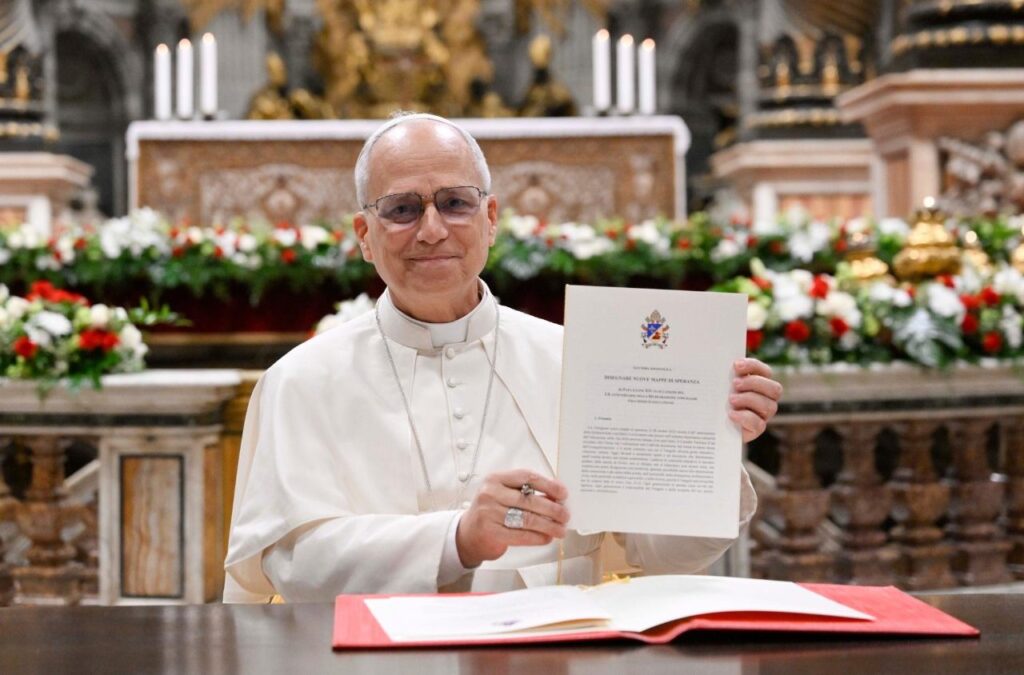
Pope Leo XIV, on the occasion of the 60th anniversary of the Conciliar Declaration 'Gravissimum Educationis', has published an apostolic letter entitled «Designing New Maps of Hope.».
Palm Sunday: biblical meaning and history
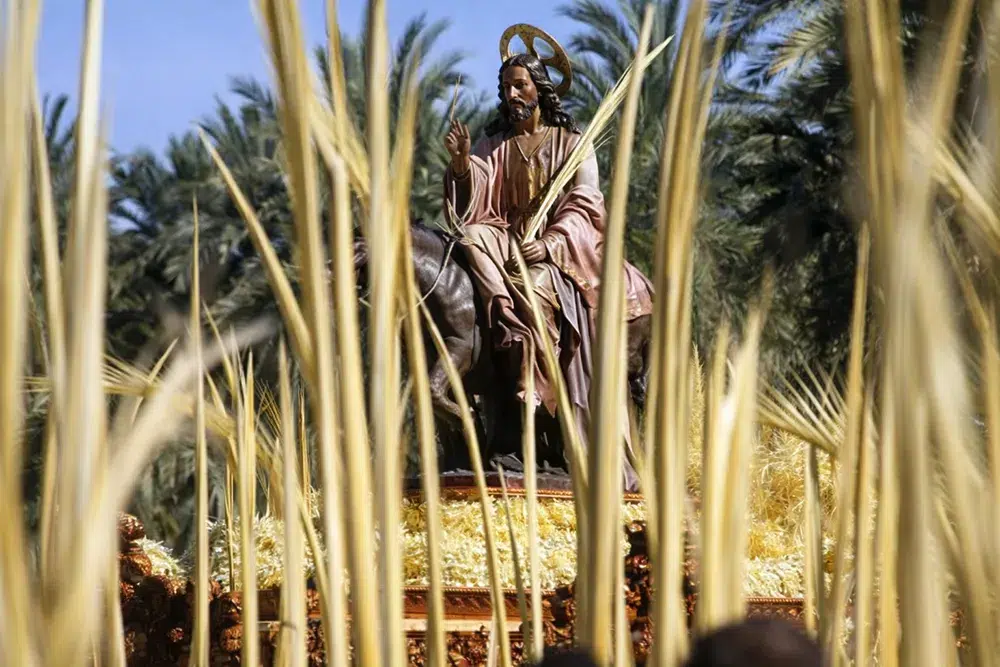
With Palm Sunday, Holy Week begins and we remember Christ's triumphal entry into Jerusalem. St. Luke writes: «As he drew near to Bethphage and Bethany, near the Mount of Olives, he sent two of his disciples, saying to them, "Go to the hamlet that is in front of you. When you enter, you will find a little donkey tied up that no one has yet ridden. Untie it and bring it here. If anyone asks you why you are untying him, tell him: the Lord needs him." They went and found everything as the Lord had told them.».
What do we celebrate on Palm Sunday?
Palm Sunday is the last Sunday before the Easter Triduum. It is also known as Passion Sunday, which marks the beginning of the Holy Week celebrations.
This is a Christian feast of peace. The branches, with their ancient symbolism, remind us now of the covenant between God and his people. Confirmed and established in Christ, because He is our peace.
In the liturgy of our Holy Catholic Church, we read today these words of profound joy: the sons of the Hebrews, bearing olive branches, went out to meet the Lord, crying out and saying: Glory in the highest.
As he passed by, St. Luke tells us, the people spread their garments on the road. And when they were near the descent of the Mount of Olives, the disciples in great numbers, overcome with joy, began to praise God with a loud voice for all the wonders they had seen: Blessed is the King who comes in the name of the Lord, peace in heaven and glory in the highest.
"By works of service, we can prepare for the Lord a greater triumph than that of his entry into Jerusalem.", St. Josemaría Escrivá.
Holy Week: origin of Palm Sunday
On this day, Christians commemorate Christ's entry into Jerusalem to consummate his Paschal Mystery. For this reason, two Gospels have long been read at Mass on this day.
As Pope Francis explains, "this celebration has a double taste, sweet and bitter, it is joyful and painful, because in it we celebrate the Lord's entry into Jerusalem, acclaimed by his disciples as king, while at the same time the Gospel account of his passion is solemnly proclaimed. So our heart feels that painful contrast and experiences in some measure what Jesus felt in his heart on that day, the day when he rejoiced with his friends and wept over Jerusalem."
It is in the Palm Sunday, As our Lord begins the decisive week for our salvation, St. Josemaría recommends that «let us leave aside superficial considerations, let us go to what is central, to what is truly important. Look: what we have to pretend is to go to heaven. Otherwise, nothing is worthwhile. To go to heaven, fidelity to the doctrine of Christ is indispensable. In order to be faithful, it is indispensable to persevere with constancy in our struggle against the obstacles that oppose our eternal happiness...."
The palm leaves, writes St. Augustine, are a symbol of homage, because they signify victory. The Lord was about to conquer, dying on the Cross. He was going to triumph, in the sign of the Cross, over the Devil, the prince of death.
He comes to save us; and we are called to choose his way: the way of service, of self-giving, of self-forgetfulness. We can follow this path by stopping during these days to look at the Crucifix, the "Chair of God"., Pope Francis.
Meaning of Palm Sunday
Bishop Javier Echevarría, makes us see the Christian meaning of this feast: "We, who are nothing, are often vain and arrogant: we seek to stand out, to attract attention; we try to be admired and praised by others. People's enthusiasm does not usually last. A few days later, those who had welcomed him with cheers will cry out for his death. And we, will we let ourselves be carried away by a passing enthusiasm?
If in these days we notice the divine fluttering of God's grace, which passes close by, let us make room for it in our souls.Let us spread our hearts on the ground, more than palms or olive branches. Let us be humble, mortified and understanding with others. This is the homage that Jesus expects from us.".
"Just as the Lord then entered the Holy City on the back of the donkey," says Benedict XVI, "so the Church always saw him arrive again under the humble appearance of bread and wine.
The Palm Sunday scene is repeated in a certain way in our own lives. Jesus approaches the city of our soul on the back of the ordinary: in the sobriety of the sacraments; or in the gentle hints, such as those that St. Josemaría pointed out in his homily on this feast: "live punctually the fulfillment of your duty; smile at those who need it, even if your soul is in pain; dedicate, without stint, the necessary time to prayer; come to the aid of those who seek you; practice justice, extending it with the grace of charity.
Pope Francis pointed out that nothing could stop the enthusiasm for the entry of Jesus; let nothing prevent us from finding in him the source of our joy, of authentic joy, which remains and gives peace; because only Jesus saves us from the bonds of sin, death, fear and sadness.
Palm Sunday in the Bible
The Palm Sunday liturgy puts this canticle on the lips of Christians: Lift up your lintels, O ye gates; lift up your lintels, ye ancient doors, that the King of glory may come in.
First Gospel of Palm Sunday (Luke 19:28-40)
When he had said this, he went on ahead of them, going up to Jerusalem. And when he came near Bethphage and Bethany, by the mount called the Mount of Olives, he sent two disciples, saying:
-Go to the village opposite; when you enter it you will find a donkey tied up, on which no one has yet ridden; untie it and bring it to him. And if anyone asks you why you are untying it, you shall answer him, "Because the Lord has need of it."
The envoys went and found it just as he had told them. When they untied the donkey their masters said to them: -Why do you untie the donkey?
-Because the Lord needs it," they answered.
They took him to Jesus. And they threw their cloaks on the donkey and made Jesus ride on it. As he went on, they spread their cloaks along the road. And as he drew near, as he was going down the Mount of Olives, the whole multitude of the disciples, filled with joy, began to praise God with a loud voice for all the wonders they had seen, saying:
Blessed is the King who comes in the name of the Lord! Peace in heaven and glory in the highest!
Some Pharisees from the crowd said to him, "Teacher, rebuke your disciples.
He answered them, "I tell you, if these keep silent, the stones will cry out.
Gospel of Palm Sunday (Mark 11:1-10)
As he drew near to Jerusalem, to Bethphage and Bethany, by the Mount of Olives, he sent two of his disciples and said to them:
-Go to the village opposite you, and as soon as you enter it you will find a donkey tied up, on which no one has yet ridden; untie it and bring it back. And if anyone says to you, "Why do you do that?" answer him, "The Lord needs him, and he will bring him back here at once."
They went away and found a donkey tied by a gate outside at a crossroads, and they untied it. Some of those who were there said to them:
-What are you doing untying the donkey?
They answered them as Jesus had said to them, and allowed them. Then they brought the donkey to Jesus, threw their cloaks on it, and he mounted on it. Many spread their cloaks on the road, others the branches they were cutting from the fields. Those who went before and those who followed behind shouted:
-Blessed is he who comes in the name of the Lord, blessed is the coming kingdom, the kingdom of our father David, Hosanna in the highest, Hosanna in the highest!
And he went into Jerusalem into the Temple; and when he had carefully observed everything, as it was toward evening, he departed for Bethany with the twelve.
"There are hundreds of animals more beautiful, more skillful and more cruel. But Christ looked to the donkey to present himself as king before the people who acclaimed him. For Jesus does not know what to do with calculating cunning, with the cruelty of cold hearts, with showy but hollow beauty. Our Lord values the joy of a young heart, the simple step, the voice without falsetto, the clear eyes, the attentive ear to his word of affection. Thus he reigns in the soul"., St. Josemaría Escrivá.
When did the Holy Week processions of Palm Sunday begin?
The tradition of celebrating Palm Sunday is hundreds of years old. For centuries, the blessing of the olive trees has been part of this feast, as well as the processions, The Holy Mass and the recounting during it of the Passion of Christ. Today they are celebrated in many countries.
The faithful participating in the Jerusalem procession, which dates back to the 4th century, They also carry palm branches, olive trees or other trees in their hands, and sing Palm Sunday songs.. The priests carry bouquets and lead the faithful.
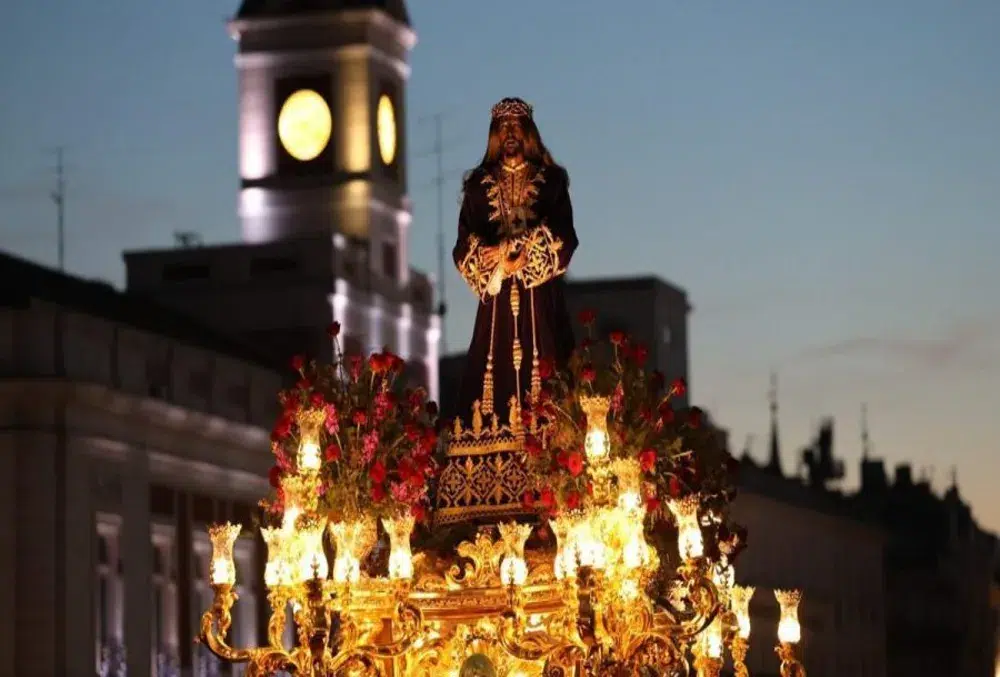
In Spain, a cheerful Palm Sunday procession commemorates Jesus' entry into Jerusalem. Gathered together we sing hosanna and waves his palms as a gesture of praise and welcome.
The olive branches are a reminder that Lent is a time of hope and renewal of faith in God. They are attributed to be a symbol of the life and resurrection of Jesus Christ.. They also recall the Church's faith in Christ and his proclamation as King of Heaven and Earth.
At the end of the pilgrimage, it is customary to place the blessed palms next to the crosses in our homes as a reminder of Jesus' Easter victory.
These same olive trees will be prepared for the following Ash Wednesday. For this important ceremony, the remains of the palms blessed on Palm Sunday of the previous year are burned. These are sprinkled with holy water and then scented with incense.
Songs for Palm Sunday
Brief list of recommended songs for the celebration of Palm Sunday:
Processional song: YOU WILL REIGN.
Entrance song: HOSANNA, HOSANNA.
From Psalm 21: MY GOD, MY GOD, WHY HAVE YOU FORSAKEN ME?
Acclamation before the Gospel: HONOR AND GLORY TO YOU, LORD JESUS.
Verse: CHRIST SUBMITTED HIMSELF FOR US.
Offertory song: LET US TAKE THE LORD.
Saint: HOLY, HOLY, HOLY - Alberto Taulé.
Lamb of God: LAMB OF GOD.
Communion song: LORD, WHERE WILL WE GO?
Song of reflection: IN YOUR CROSS YOU STAND TODAY.
Departure song: AL PIE DE LA CRUZ.
Before the readings: GLORY TO YOU, LORD.
Bibliography: Pope Francis, Homily, Palm Sunday 2017 Benedict XVI, Jesus of Nazareth. St. Josemaría, Christ Is Passing By. St. Josemaría, Forge.
Table of Contents
Questions and answers
- What is the meaning of Palm Sunday?
The Palm Sunday is one of the most important celebrations in Christianity, as it marks the beginning of the beginning of the Holy Week. It represents the end of Lent and the beginning of the commemoration of the passion, death and resurrection of Jesus.
- What does the Palm Sunday bouquet symbolize?
It commemorates the triumphal entry of Jesus Christ into Jerusalem. It is celebrated one week before his glorious Resurrection triumphing over death and sin. Jesus entered Jerusalem riding on a donkey, and the people who had come for the Jewish Passover celebrations laid their cloaks and small branches of trees on the ground, while chanting part of Psalm 118: «Blessed is he who comes in the name of the Lord».
March 25, the Annunciation of the Lord
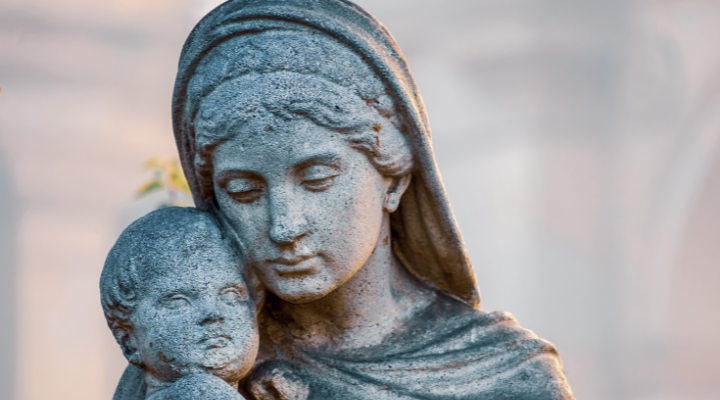
The Church celebrates the Solemnity of the Annunciation of the Lord the March 25, The Feast of the Incarnation, a crucial moment in the history of salvation. Also known as the Incarnation of the Lord, this feast remembers the instant when the Archangel Gabriel announces to the Virgin Mary that she will be the mother of the Son of God. Her «let it be done to me according to your word» (Lk 1:38) represents a model of faith and total surrender to the divine will.
The meaning of the Annunciation and the incarnation of the Word
The mystery of the Annunciation is inseparable from the Incarnation, since it is the moment in which God assumes human nature. St. Josemaría Escrivá, founder of the Opus DeiHe emphasized the greatness of this event, affirming that "God calls us to sanctify ourselves in ordinary life, as Mary accepted her mission with humility.
Mary, model of vocation and dedication
Our mother, the Virgin Mary is an example for all Christians, especially for those who have been called to the priesthood. His confident and unreserved response is a reflection of the willingness that all Christians must have in order to be called to the priesthood. seminarian and priest should have before God's call.
The Annunciation and the defense of life
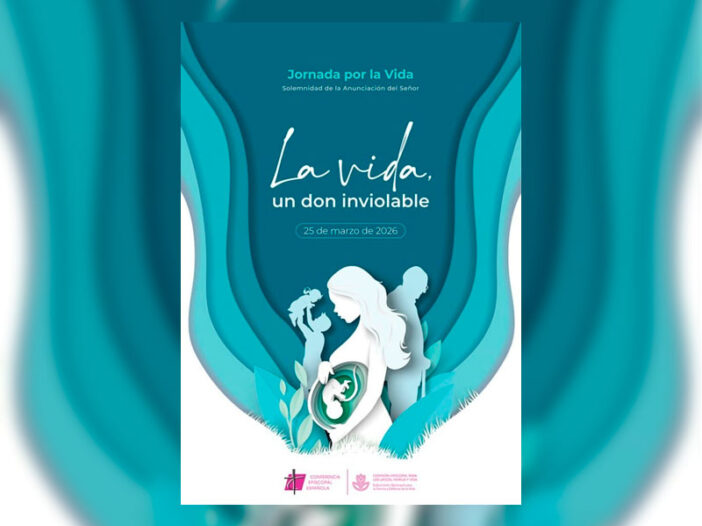
In Spain, the Episcopal Conference celebrates on March 25, the Day for the Life, recalling the sacred value of human life from conception. In 2026, the motto is «Life, an inviolable gift», a call for the protection of life in all its stages. «Abortion - the prelates stress - can never constitute a right, since there is no right to eliminate a human life».
However, the Episcopal Conference does not only focus on the mother's womb; it also addresses mothers and fathers who face difficulties when dealing with pregnancy. For this reason, they indicate that from CEE «we want to promote a social alliance for hope in favor of the natality, The aim is, on the one hand, to build together the necessary conditions for our young people to be able to consider the possibility of forming a family open to life and, on the other hand, so that no woman has to resort to abortion because she feels alone or without resources».
The commitment of priests and seminarians
For the priests and for the future pastors supported by the CARF Foundation, This feast has a special meaning. The defense of life is part of their mission, being witnesses of the Gospel in a society that often relativizes the value of human existence.
The commitment of priests and seminarians is not only based on the defense of life from conception, but also in their pastoral work to accompany people at every stage of their lives.
Your training theologically and spiritually prepares them to be guides in faith and guides in difficult times. Inspired by Mary's yes, they are called to be heralds of hope, promoting a culture of life and Christian love.
In addition, this holiday invites them to deepen their knowledge of their vocation, reaffirming its commitment to evangelization and the teaching of Christian doctrine.
In times when human dignity faces multiple challenges, their witness takes on special relevance. The Annunciation is for them a reminder of their mission to be Christ's living presence in the world, transmitting the message of salvation in word and deed.
Living Mary's yes: a commitment for all Christians
The party of the Annunciation not only invites us to meditate on the yes of the Maria, but also to renew our surrender to God with trust and joy.
Mary, with her humble and courageous acceptance, teaches us that every Christian, regardless of his or her state in life, is called to give his or her own yes to God in everyday life.
For seminarians and priests The day for diocesan priests is a day of special reflection on their vocation and on their commitment to be defenders of life and faith.
However, this call is not exclusive to them. Each member of the faithful, from his or her own reality, can make this call present to Christ in the world through their acts of charity, their Christian witness and their trust in God's providence.
The Annunciation reminds us that each one of us, as part of the people of God, can be an instrument in his hands, bringing hope, love and faith to those around us.