When we think of writing a will, the first thing that comes to mind is usually the family, the assets, the security of leaving everything in order. But a solidarity will is much more than a legal document: it is also an opportunity to leave a mark beyond our lifetime, to give continuity to our values and to sow the seeds of the future.
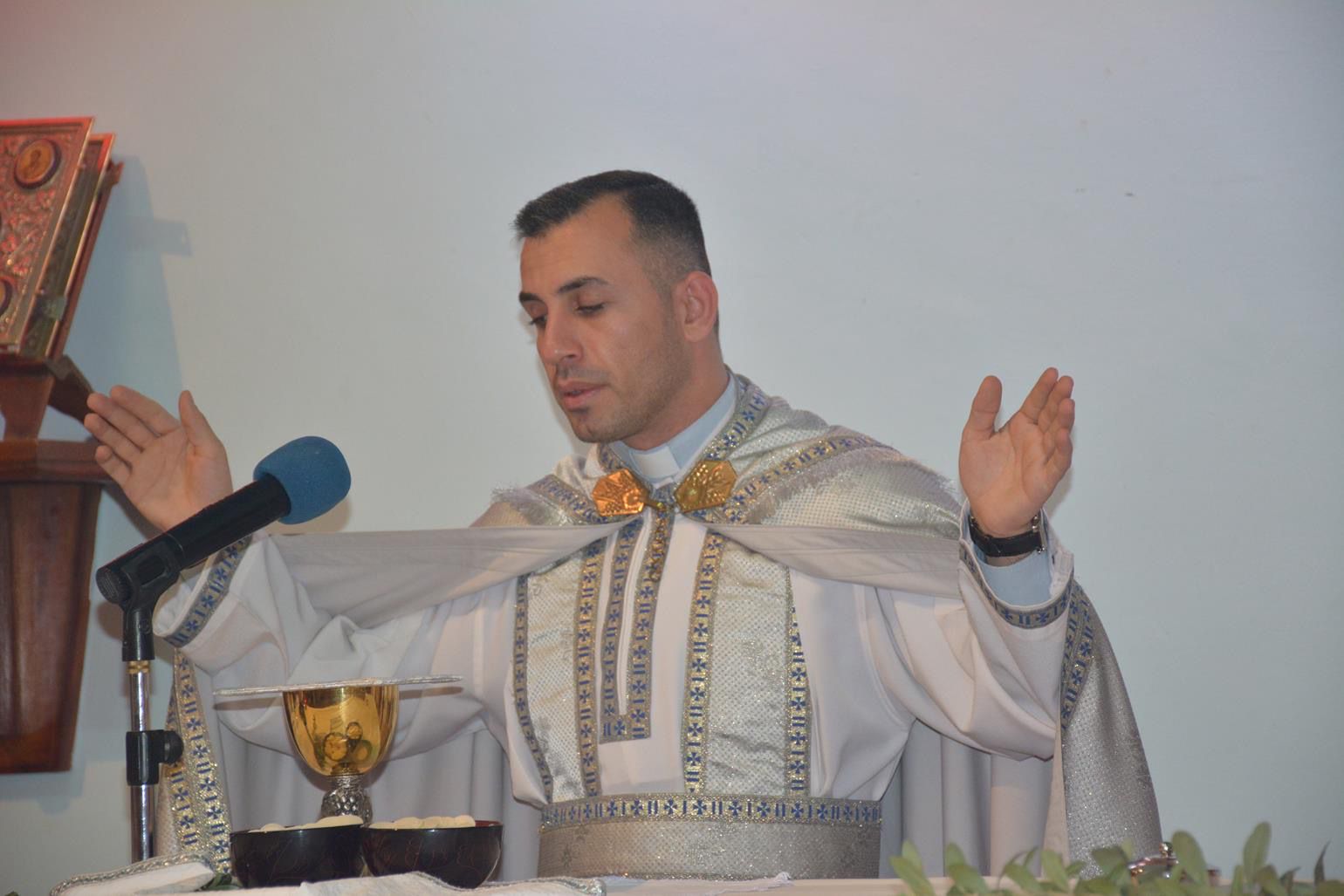
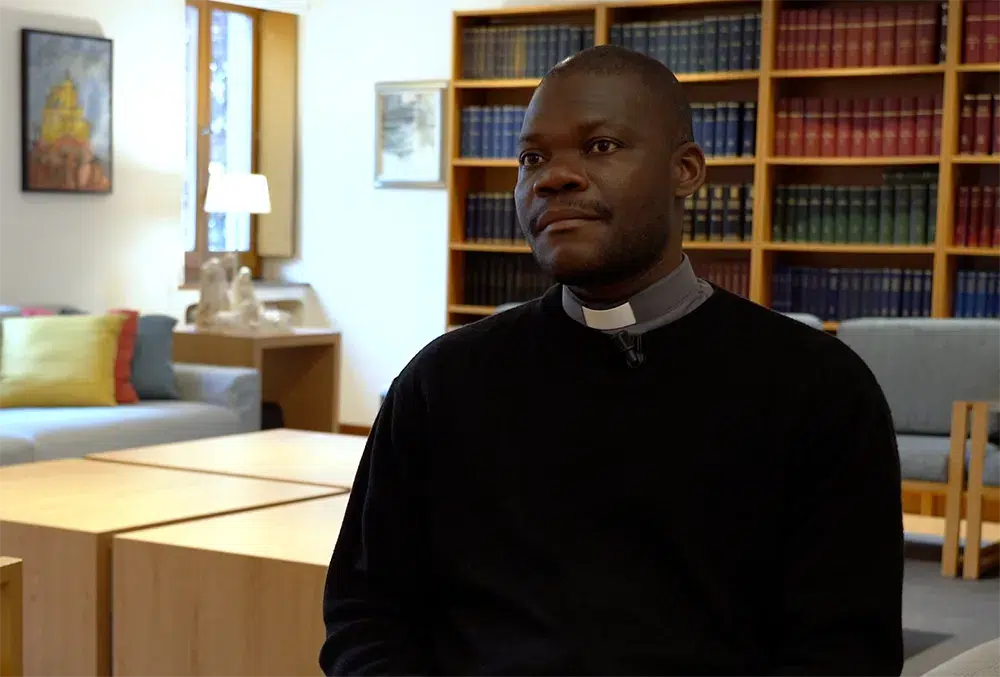
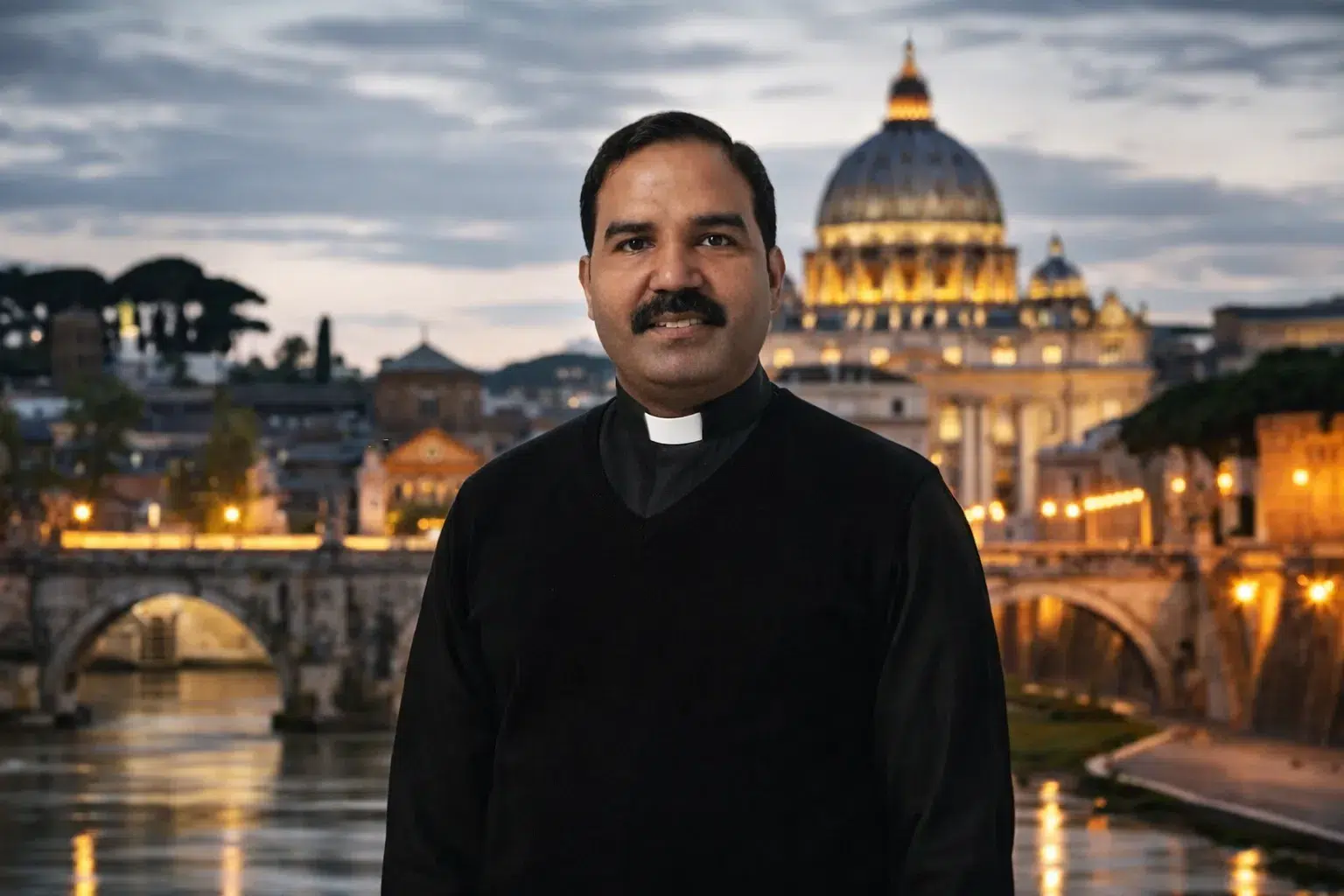
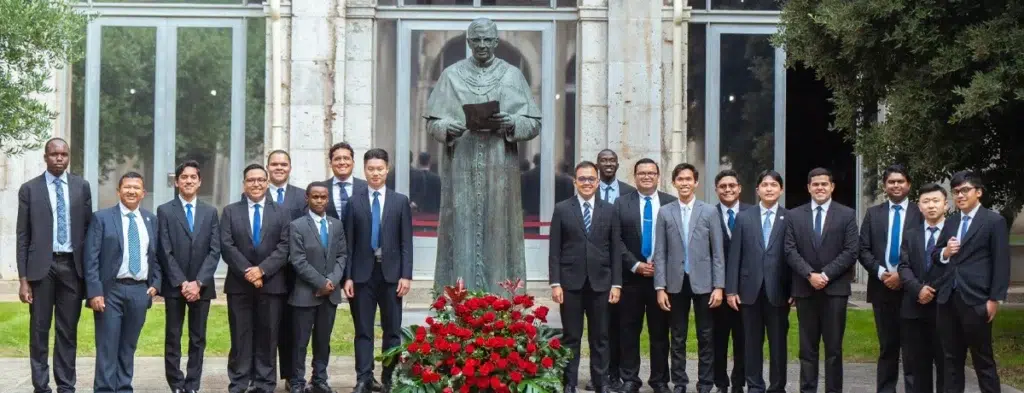
At the CARF Foundation, we believe that the solidarity will is a bridge between the life we have lived and the impact we want to leave. Each person who includes a bequest to the CARF Foundation in his or her will contributes to something transcendental: the integral formation of seminarians and diocesan priests around the world who tomorrow will lead parishes, celebrate the Eucharist and bring hope to those who need it most.
However, in order to make this decision with serenity, it is essential to understand how a will works in Spain and which are the parts that compose it. A good knowledge of these legal figures will allow you to choose the best formula for your loved ones and, if you wish, to also support a cause that transcends in time, such as the CARF Foundation.
The testator is the person who grants the will., The will of the deceased, that is, the person who expresses his or her will as to how his or her property, rights and obligations should be distributed after his or her death. According to the Spanish Civil Code (arts. 662 et seq.), If a will is not executed, only those who have full legal capacity and act freely may grant a will.
The law always protects the forced heirs through the so-called legitimate, but leaves a third of free disposition that the testator can allocate to whomever he wishes, including institutions with transcendent and solidary purposes such as the CARF Foundation. It is in this space where a will or solidarity legacy makes full sense.
Universal heir: who takes your place in law
The universal heir is the person - or institution - who receives the entirety of your inheritance, with its assets, rights and also obligations. Spanish law defines an heir as one who succeeds “by universal title” (arts. 657 and 661 of the Civil Code). This means that the heir legally takes your place: he or she receives your estate, but is also liable for any debts that may exist.
An heir may be a sole heir or shared among several heirs (co-heirs). If you do not specify anything, your forced heirs (descendants, ascendants or spouses, as the case may be) will inherit by law. But if you decide to leave your will on record, you can grant an open will before a notary and establish who will occupy that central place.

Coheirs: when you share the inheritance
If you wish to distribute your inheritance among several people or institutions, then we are talking about co-heirs. Each of them receives a part of the whole estate, in the proportion you have decided. They all share both the rights and obligations derived from the inheritance, and a partition will be necessary to allocate the assets in a concrete way.
This is where the figure of the accountant-partidor, who can be designated in the will to avoid conflicts and expedite the distribution. In this way, even if there are several co-heirs with different interests, a professional or trusted person will be able to order the division in an equitable manner and in accordance with your will.
Legatees: a specific asset for a specific person
The figure of the legatee is different from that of the heir. While the heir receives the entire estate (or a proportional part of it), the legatee receives the entire estate (or a proportional part of it). The legatee receives a specific asset, a specific right or a specific amount of money. The law defines it as the one who succeeds “in a private capacity” (art. 881 of the Civil Code).
A fundamental characteristic is that the legatee is not liable for the debts of the estate; He receives only what has been left to him. However, the heir or the executor must hand over the bequeathed property to him, unless the testator has provided otherwise.
This figure is especially interesting when you want to support a charitable cause without affecting the rest of the family estate. It is, in fact, the most common way to include the CARF Foundation in a will.
Executor and accountant-partidor: those who watch over your will
The will also allows you to name trusted persons to ensure that your provisions are carried out. The executor is the person in charge of executing your will, either in general or for specific aspects. (arts. 892-911 of the Civil Code). You can appoint one or more, and establish the time during which they will exercise their office.
For its part, the accountant-partidor is in charge of distributing the inheritance among the heirs and legatees in accordance with what you have disposed. His role is key when there are several co-heirs and different assets to be divided. Even if you have not appointed one, the law allows a notary or a lawyer of the Administration of Justice to appoint an accountant-partidor dative to avoid blockages (art. 1057 of the Civil Code).
Thanks to these figures, your will not only expresses your will, but also ensures that it is effectively executed, avoiding arguments and ensuring family peace.

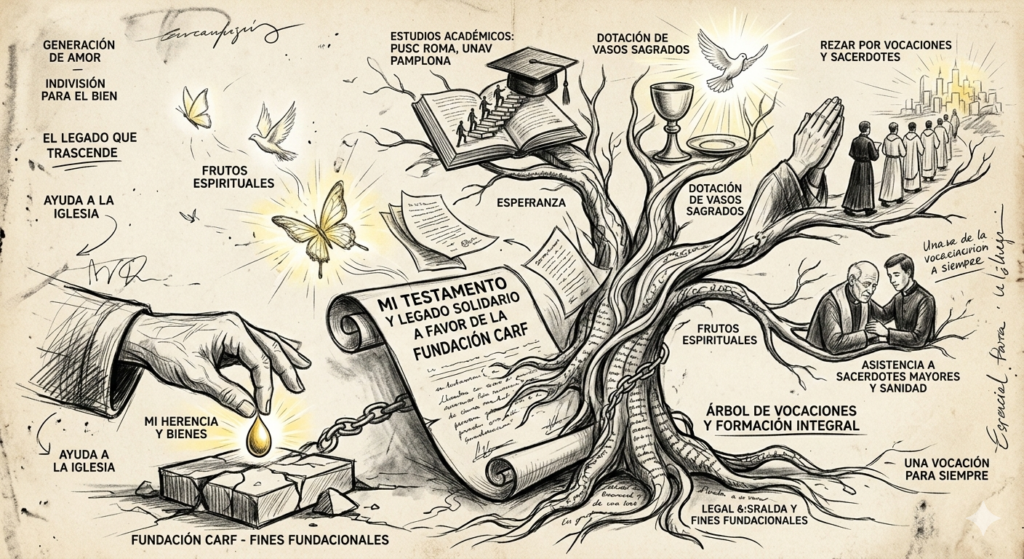
Beyond the legal figures, the essential thing about a will is that it reflect who you are and what mark you want to leave when you are gone. By including the CARF Foundation as a legatee, you transform a juridical act into a permanent and transcendent act of commitment, faith and hope in the future of the Church throughout the planet.
The totality of your bequest will go entirely to the integral formation of seminarians and diocesan priests and religious men and women from all over the world so that when they return to their countries they can continue to form others and do much good in their dioceses.
As the CARF Foundation is a non-profit foundation, bequests are exempt from Inheritance and Gift Tax. This means that every euro, property or object donated is converted into aid for study, maintenance, integral formation and the support of vocations that will accompany millions of people.
Your generosity translates into more lively parishes, greater formative richness for each of the faithful, sacraments that can be administered where they are most needed, and communities that find in priests the living presence of Christ.
It is, in short, a way for your life to continue to bear fruit when you are no longer with us. turn your generosity into a legacy of solidarity that strengthens the future of the Church.
 carf@fundacioncarf.orgLandline: +34 914 029 082Mobile: +34 638 078 51145 Conde de Peñalver Street.