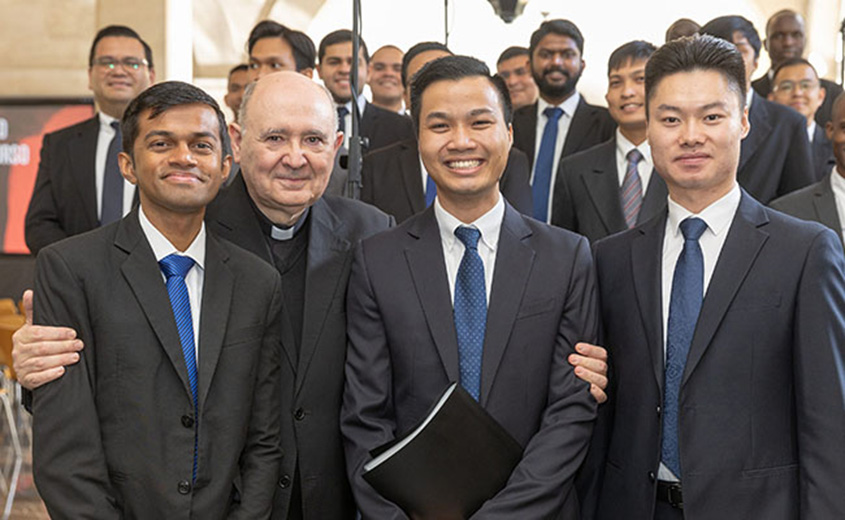
Ajo Joy, India, a priestly vocation inspired by her mother

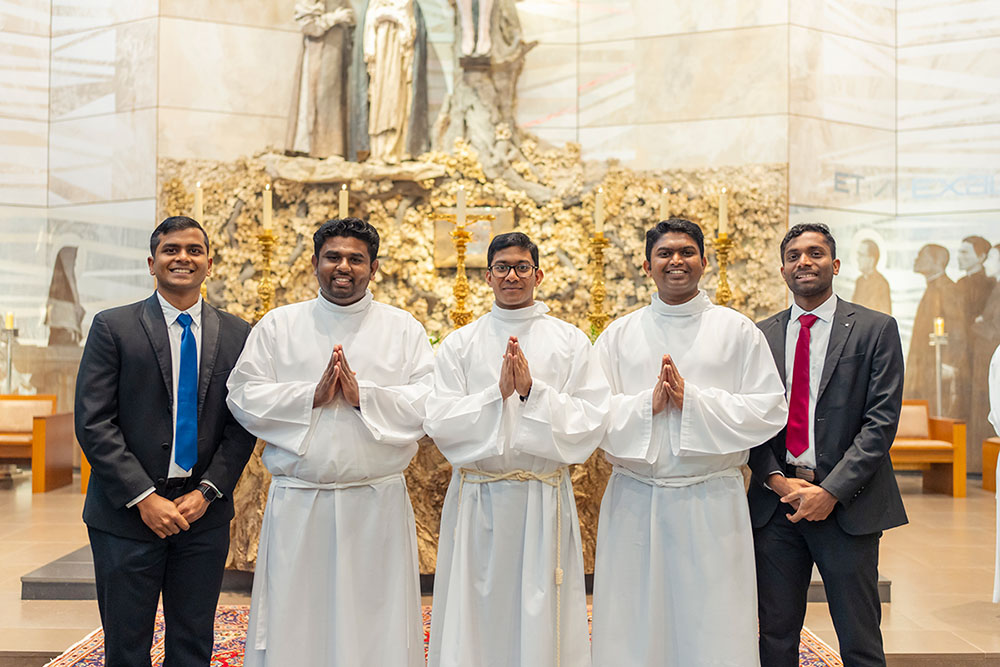
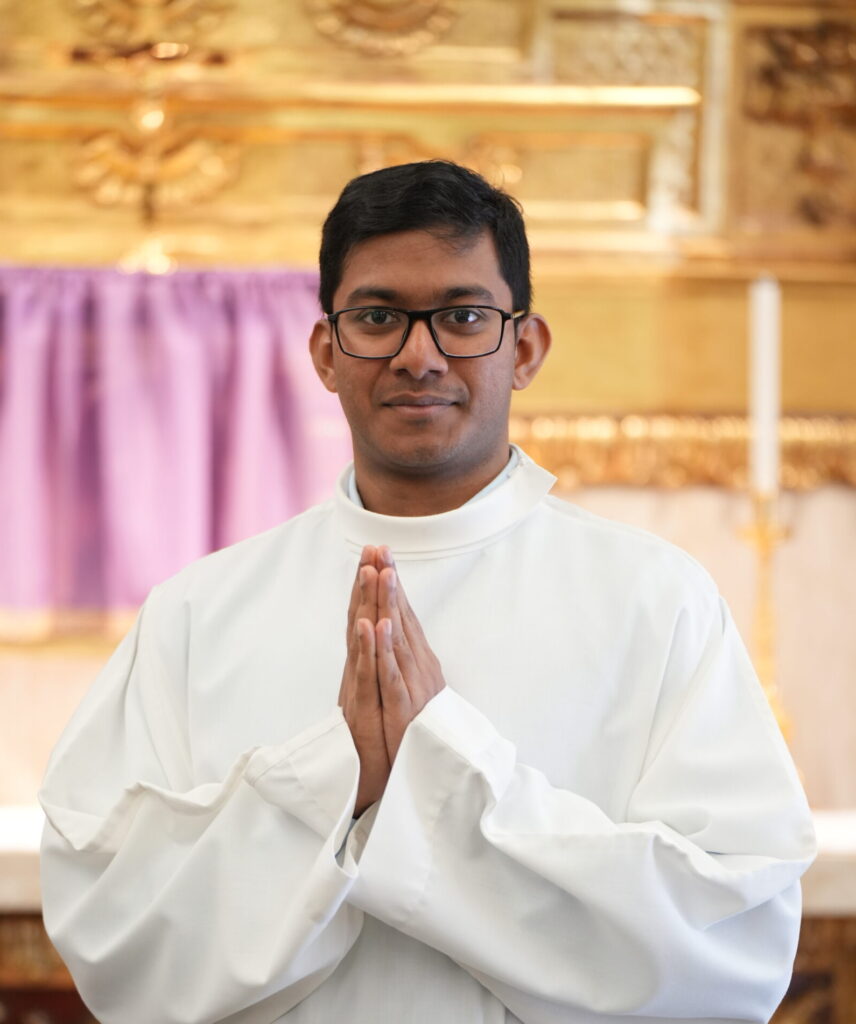
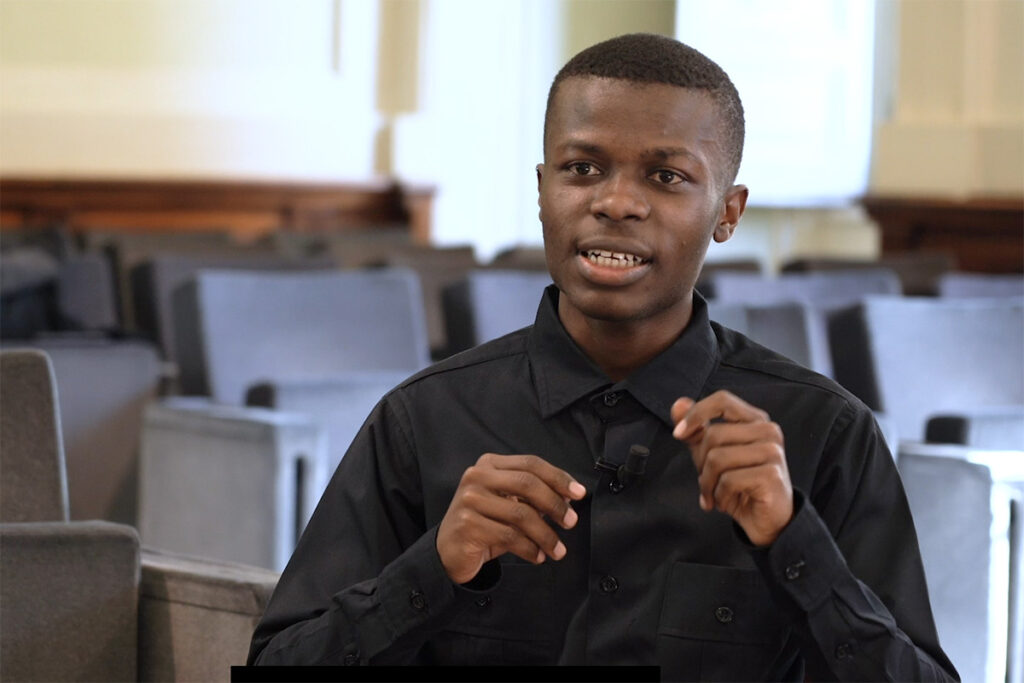
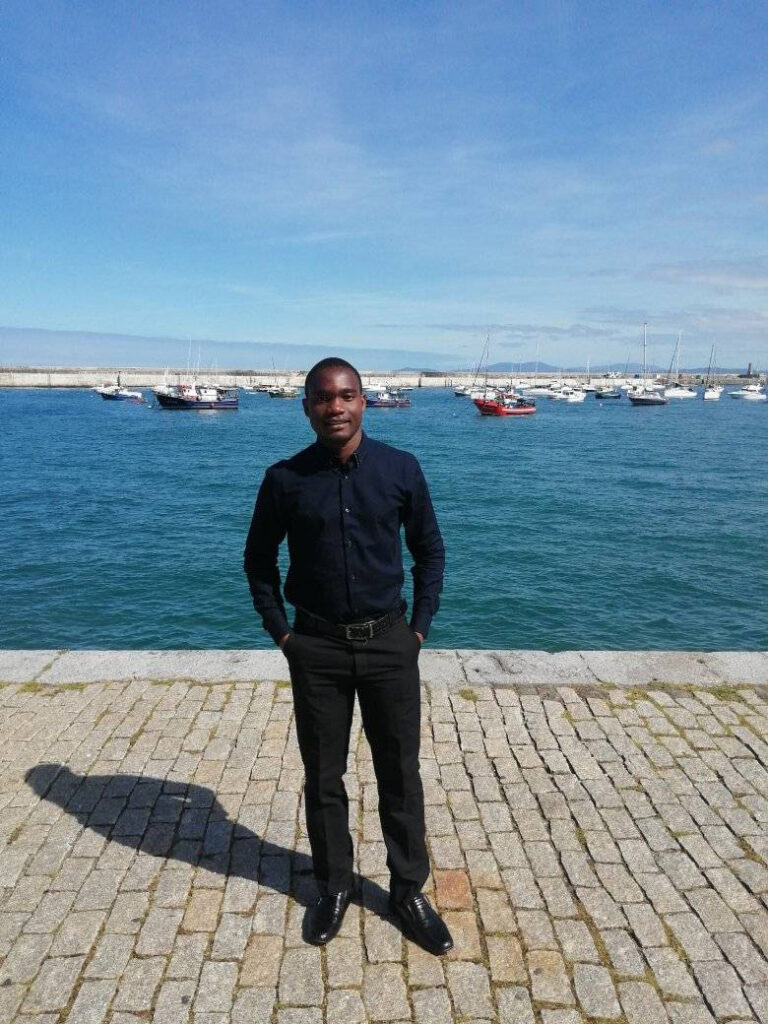
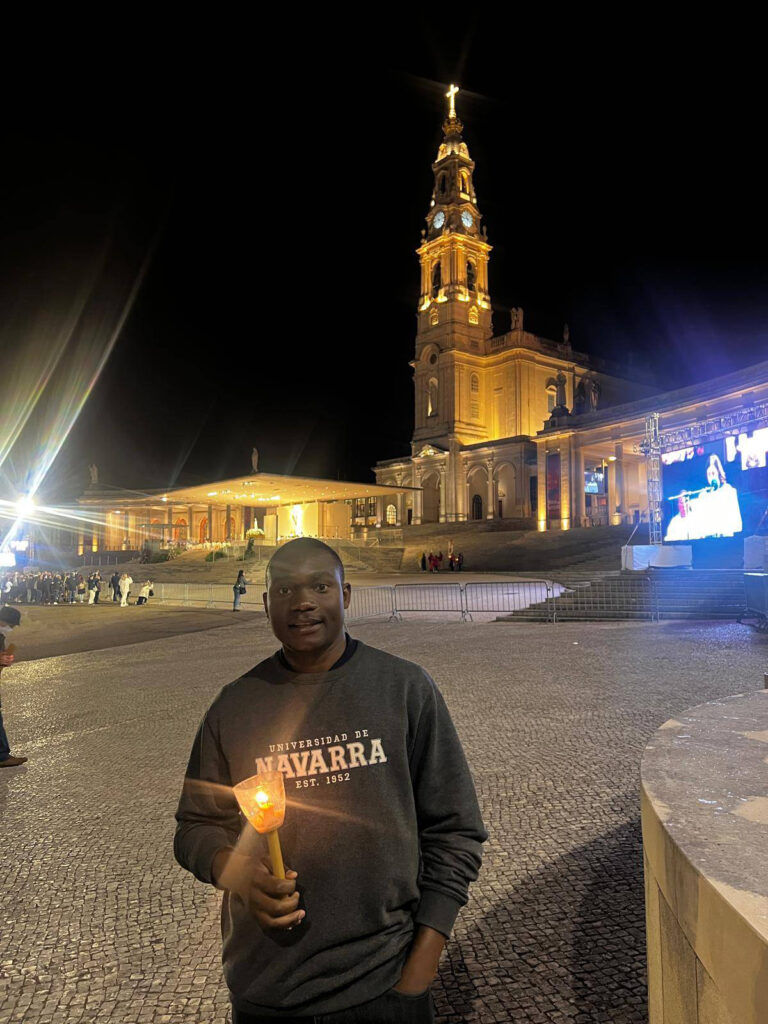
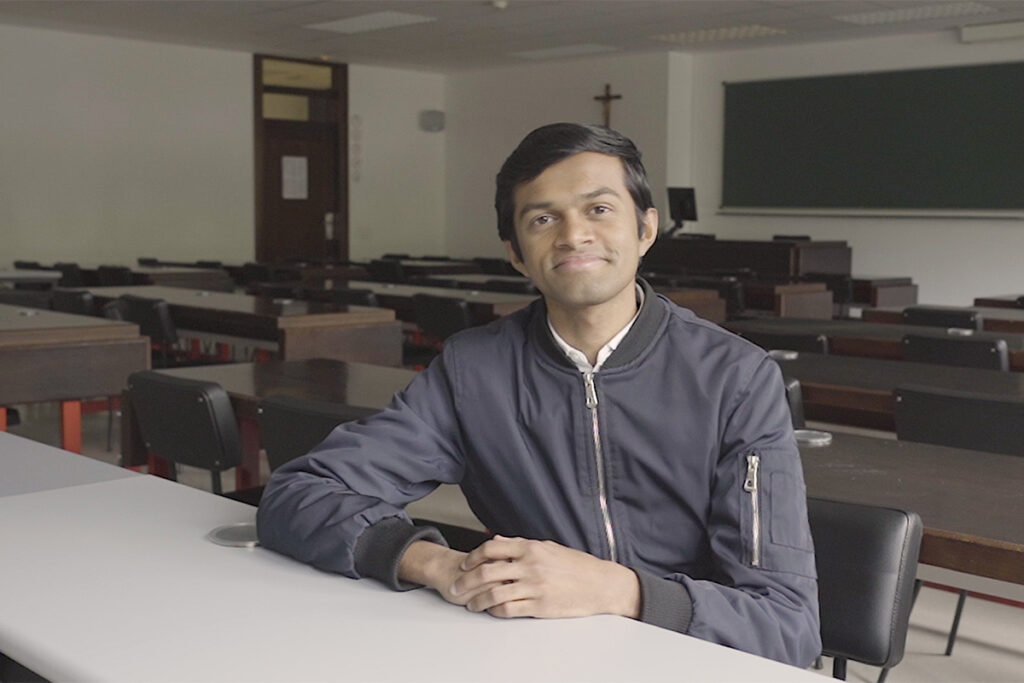
The priestly vocation of Ajo Joy (India) began at the age of 15. He is now a 26-year-old seminarian studying fourth year of Theology at the Ecclesiastical Faculties of the University of Navarra and residing in the Bidasoa International Seminar.

Priestly vocation and the loss of his mother

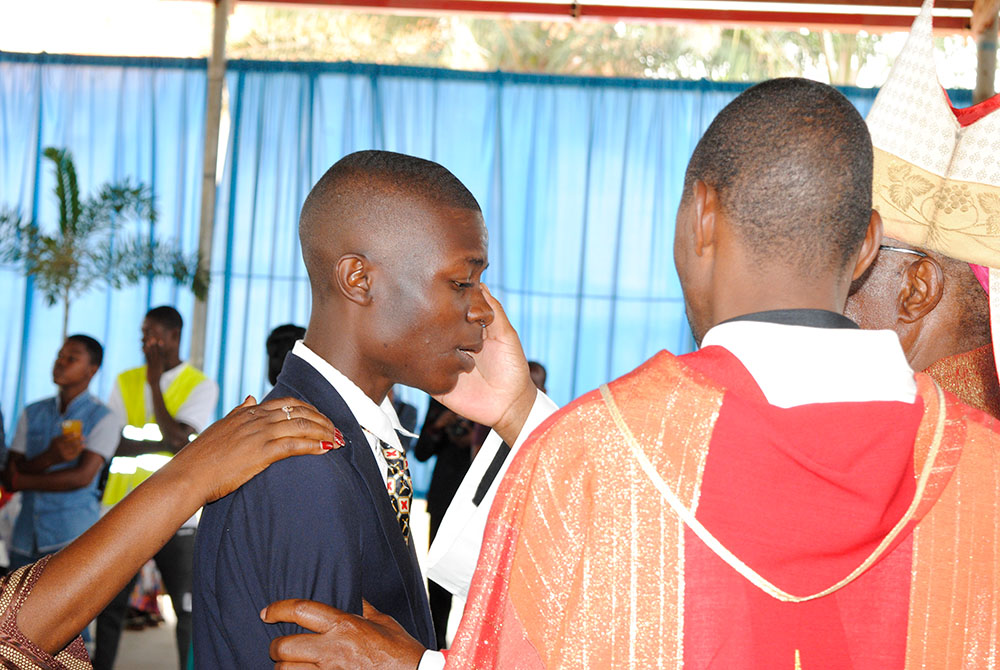
His mother died of cancer when he was 15 years old. The next day, Ajo entered St. Raphael's minor seminary in the diocese of Quilon (Kerala, India), taking the first step in his priestly vocation: "My mother was like a teacher and friend to me. I am convinced that I owe my vocation to her. From heaven she intercedes for me".

After his experience, sends a message to young people who lose their parents or relatives at a young ageWith love and pride I tell you that our parents are a gift from God; we should share our desires and ambitions with them. When you lose one of them, don't break down, pray for them. Be happy and think that they are supporting and loving you in the same way as when they were alive."

The Diocese of Quilon: cradle of Christianity in India

This seminarian from India discovered his priestly vocation at a very early age. Despite being an only child, his parents not only did not object, but actively encouraged him along the way. Born into a Catholic family belonging to the Diocese of Quilon (also known as the Diocese of Kollam), the first Catholic diocese established in India, often considered the cradle of Indian Christianity. It was erected by Pope John XXII on August 9, 1329. The diocese covers an area of 1,950 km² and has a community of approximately 239,400 faithful Catholics.

Religious coexistence in Kerala, a model of unity

"In Kerala Catholics live in a diverse and multi-religious society. Although they constitute a minority, about 18 % of the population, Kerala is home to two churches: eastern and western. The Western Church includes the siro-malabar rite and the siro-malankar riteThe population is also very large, with a large population of Latin rite.

In Kerala, Catholics have maintained a relationship of respect and cooperation with other religions, such as Hinduism and Islam, and we also maintain a respect for the diverse cultures in the country," explains this young seminarian.

In difficult times, united communities

The ability to live and thrive in a multi-religious society is one of the most valuable lessons that European Catholics could learn from the Catholics of India, particularly those of Kerala, who have created a strong culture of respect and cooperation with other religions.

Ajo puts it this way: "Harmony among religions is fundamental. This could improve the life and practice of the Catholic faith in Spain by fostering coexistence and dialogue among religions. The focus on community is another crucial lesson.

In difficult times, Catholic communities in India are often close-knit and mutually supportive. Spanish Catholics can find inspiration from this solidarity and sense of belonging". 

Priestly formation in a secularized world

Ajo Joy is one of the young seminarians of the 21st century who is being formed to respond to the challenges of a secularized world. He believes that a The young priest of today's world faces a world in constant change and, for this reason, it is essential to strengthen his vocation by seeing God as a companion, as a friend. "The priestly vocation is friendship, and I have always seen God as a friend who has helped me a lot in my life," he tells us with a big smile. 

Moreover, this young seminarian from India believes that, in addition to nourishing himself with prayer and the Eucharist, the formation of a priest The current situation also needs to strengthen its vocation in social justice, working in community projects and advocating for the human rights and dignity of all. "But the essential thing is to share the experience of God with others," concludes Ajo Joy.

Ajo is very grateful to all the benefactors of the CARF Foundation who make it possible for him to complete his theological training, his goal is to be able to train very well and return to his diocese in India to help future priests, religious men and women in India.


Marta Santínjournalist specializing in religion.

Jesús Eduardo, seminarian: "we priests of the 21st century should not be afraid of tribulations".

"In my adolescence and early youth, many people invited me to participate in a youth or worship group, and my answer was always the same: thank you very much, but no. At that time in my life, I did not see all the good that God offered me. At that time in my life I didn't see all the good that God was offering me".

The new evangelization in Mexico

Now 33 years old, he is a seminarian in the diocese of Tabasco (Mexico), studying at the University of Navarra and residing and training in the Bidasoa International Seminar (Pamplona). He is aware that a good formation is necessary to be able to evangelize in a post-modern society of the 21st century, especially in Mexico, a country with strong Catholic roots where Protestantism is also gaining ground.

"One of the main evangelization needs, not only in my diocese but in the whole country, is how to evangelize in the face of the multiple Protestant groups that are growing." 

According to his experience, it is necessary to begin with the families, catechizing and making known the beauty of the Word of God. "To achieve this, parishes must foster more of a missionary spirit in their own communities (which is something that is done) but it must be promoted much more, and thus, together with the participation of the whole community, bring God closer to those who do not yet know him or who have even moved away."

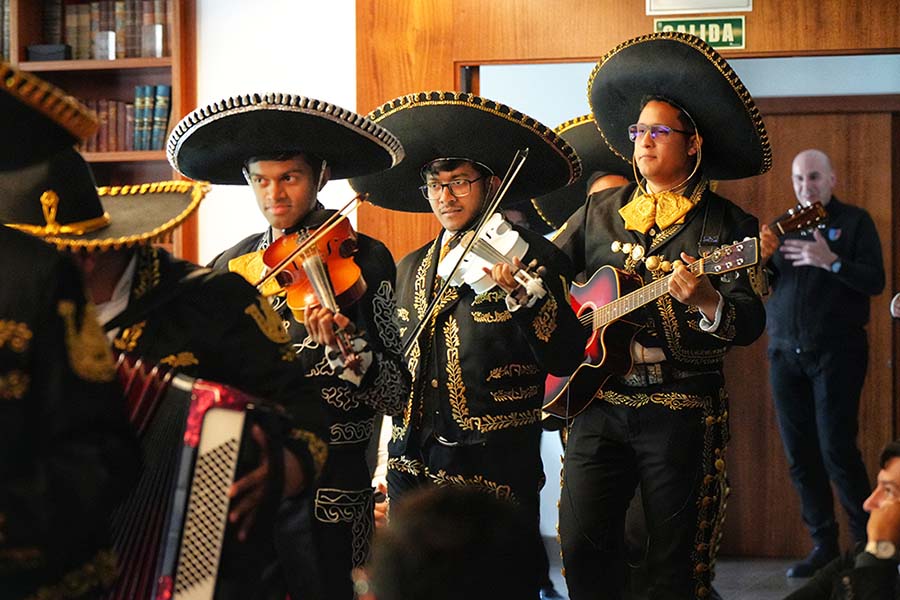
celebración por los 500 años de evangelización en México. seminarista y sacerdotes

Catholic families, the cradle of vocations

Faced with the proliferation of Protestant or anti-clerical groups, this seminarian is convinced of the power of every Catholic being a witness to the Catholic faith, and as he suggests, starting with families.

"Families are the domestic churches where the cultivation of faith begins, as well as those values, virtues, teachings and customs that will gradually mold the character and personality of each of its members."

Jesus is convinced that if the Catholic faith is lived in every family, its witness will give an answer to those anti-clerical groups that seek to attack the Church. "This is not a war between the Catholic faith and Protestant sects, but as Catholics we have a great responsibility, and illuminated by the light of faith, we must acquire the best preparation to face the new challenges of this era."

The example of his family

This seminarian, who wants to become a priest, transmits his own experience of what he learned in his family. He is the youngest of three brothers and has grown up with the support of his family, a fundamental factor in becoming the person he is today, always hand in hand with God in every project of his life.

"The good moments of my childhood are full of the union between brothers, playing, having fun, protecting each other. Something good about my childhood is that since I was little I have been a constant person in my studies, which my parents always instilled in me, something that has characterized me all my life."

A turning point: the seminar

He also recalls that adolescence was one of the best stages of his life because he began to grow and mature in his personality. "The good thing about my adolescence is that I was defining my way of being, I knew how to distinguish good from bad and above all the confidence that my parents had in me and my siblings. I thank my parents who always gave me an education based on values, creating in my brothers and me, the sense of responsibility, dedication and effort in all our activities," says this seminarian.

His parents supported him in the most important moment of his life: entering the seminary at the age of thirty, after a professional career and a stable job, always trusting in God's will, "calling me to go beyond my abilities to give back to God, in a generous way, all that He had given me throughout my life".

BIDASOA. JESUS EDUARDO FLORES seminarista

Evangelizing Mexican youth

The dream of this seminarian is to evangelize the youth of Mexico. "There is something that calls my attention and that is that the youth in Mexico, despite the changes that have occurred in recent years, is a youth that has a voice and makes itself heard, it is a youth where it is clearly seen that when there is union and all connect towards the same interest they achieve the goals they set, it is a youth where there is much hope especially in these times of modernity".

In his opinion, what is needed to bring young people closer to the Catholic faith is to give them and allow them to participate more in parishesIt is of great importance to make them feel part of the church, integrating them in the activities to generate in them attitudes of love and responsibility not only to the service they are rendering, but also to God.

"However, families are fundamental to achieve this, since it is there that love for God is fostered, as well as love for the Church," Jesus insists.

The seminarian of the 21st century

What must the seminarian and priest of the 21st century be like for Jesús Eduardo? "In my opinion he must have a great love and dedication to what God has called him to; have a sense of commitment and responsibility wherever he is; have a solidity in all his areas of formation, which will allow him to face the challenges that our Church has and will have in the future." 

In addition, he considers it necessary that the current seminarians and priests maintain a constant ongoing formation in order to be able to respond to the needs and concerns of the people of God, since we are facing future generations that are preparing themselves very well.

Losing fear and trusting in God

"A seminarian in the 21st century must not extinguish the flame of his vocation in the face of what the world has to offer, which could divert him from what he was called to do. He must always keep in mind the reason why he decided to follow God and not to be afraid of the tribulations they may experience".

Jesús Eduardo Flores concludes: "answering God's call is and will be one of the most enriching experiences that will mark the life of a seminarian, who will never forget all his efforts throughout his formation and will be reflected in his service to the Church and to all God's people as a priest". 

In closing, Jesus is very grateful to all the benefactors of the CARF Foundation who make his studies in Pamplona possible. "Thank you to the benefactors for their generosity and for their prayers, because by helping seminarians like me, they help many Christian communities around the world. I keep you in my prayers.


Marta Santín, journalist specializing in religion.

15S, Blessed Álvaro del Portillo: continuing his legacy

On September 15, we commemorated the day on which Blessed Álvaro del Portillo, successor of St. Josemaría Escrivá de Balaguer, assumed the office of prelate of Opus Dei in 1975. Two weeks later, on September 27, we celebrated his beatification in 2014, an official recognition of his holy life and tireless work for the Church. At the CARF Foundation we honor his legacy, want to understand his impact and offer an opportunity to support the formation of future priests.

Blessed Álvaro del Portillo, a man of faith and service

The Blessed Álvaro del Portillo was born in Madrid on March 11, 1914. Although he began his career as an engineer, his true vocation was to serve God. In 1944, he followed this call and was ordained a priest. Throughout his life, he maintained a close relationship with St. Josemaría Escrivá, whom he not only assisted as a close collaborator, but also as a faithful friend.

After the death of St. Josemaría in 1975, Don Álvaro was unanimously elected as his successor, assuming the responsibility of guiding Opus Dei into a new stage of growth and consolidation. On September 15 of that same year, he became the first successor of the founder of the Work, standing out for his humility and unwavering dedication.

Don Alvaro was known for his profound dedication to others. Far from seeking the limelight, his main desire was to serve with humility, guiding those around him towards a life closer to God. Pope Francis described him as a man who "loved and served the Church with a heart stripped of worldly interest." His focus was always on helping others to discover and fully live their vocation.

beato Álvaro del Portillo

His legacy of service lives on today, especially in the work of the CARF Foundation. The values that Blessed Álvaro del Portillo promoted are the pillars that guide the CARF Foundation in its mission and support for the formation of priests. For Don Alvaro, the education of future priests was not only an academic question, but also a human, spiritual and pastoral one. He believed that priests should be well prepared in all aspects, so that they could be close shepherds, capable of guiding their brothers with humility and simplicity.

Today, the CARF Foundation continues this mission by providing the resources necessary for seminarians and diocesan priests from around the world to receive a comprehensive formation at prestigious universities in the following areas Rome y Pamplona. In doing so, the foundation is not only promoting the education of future priests, but is perpetuating Blessed Alvaro's commitment to the universal Church. The priests trained, with the support of the benefactors of the CARF Foundation, are prepared to work with love and dedication in dioceses around the world, as Blessed Alvaro would have wanted.

The Succession of Blessed Álvaro del Portillo

The election of Blessed Álvaro del Portillo as the successor of St. Josemaría Escrivá was a milestone full of spiritual significance. Over the years, Blessed Alvaro had worked side by side with St. Josemaría, sharing his vision and dedication to Opus Dei and the Church, which naturally prepared him to take over. However, when he received the news of his election on September 15, 1975, Blessed Álvaro was not able to take over. Blessed Álvaro del Portillo He did so with deep humility and a great sense of responsibility.

In lieu of celebrations, he asked for prayers from all the members of Opus Dei, expressing his willingness to serve by saying: "Before the tomb of our beloved Founder, all of us, Holy Father, renew our firm resolution to be faithful to his spirit and also offer our lives for the Church and for the Pope. These words reflect his character, always ready to serve the Church and the Pope.

For Blessed Álvaro del Portillo, it was essential that each person encounter God in the simplest and most ordinary aspects of his or her existence. During his lifetime, he promoted this message and strengthened the presence of Opus Dei in new countries, helping thousands of people to grow humanly and spiritually. It fell to him to consolidate the juridical path of the Work, as seen by its founder.

His ability to lead from humility and service made him a close and respected pastor, whose decisions were always oriented to the spiritual good of all who approached him. This approach, which guided his every decision, made him not only a true shepherd bishop, loved and respected by all those who knew him.

The beatification of Don Alvaro

The September 27, 2014 was a historic day not only for Opus Dei, but for the whole Church. In an emotional ceremony held in Valdebebas, Madrid, Alvaro del Portillo was beatified, officially recognized as a saint. The beatification was possible thanks to a miracle attributed to his intercession: the surprising recovery of a Chilean child, José Ignacio Uretawho, after suffering a cardiac arrest of more than 30 minutes, inexplicably recovered without sequelae. This fact, which was exhaustively investigated by the Church, became a clear sign of Blessed Alvaro's closeness and his continuous care from heaven.

The beatification ceremony was presided over by Cardinal Angelo Amato, representing Pope Francis, who underscored the crucial role of Blessed Alvaro as a model of "unwavering fidelity to the Church and her mission." Hundreds of thousands of faithful attended the event, many of them deeply moved by the recognition of the life and work of one who always lived with exemplary humility.

For many, the beatification of Don Álvaro was the celebration of a man who, through his simplicity, closeness and spirit of service, had touched countless lives. Throughout his life, Blessed Álvaro del Portillo not only helped to expand the Work, but also inspired many to live their faith joyfully, with their eyes fixed on God in their daily lives. This spirit of dedication, which characterized him so much, is still alive today in those who seek to follow his example and continue his mission of serving the Church with generosity and love.

beato_alvaro_del_portillo

The impact of Blessed Álvaro del Portillo on priestly formation

One of the most significant legacies left by Blessed Alvaro del Portillo was his firm commitment to the formation of priests. For him, priests should not only be good spiritual guides, but also people capable of accompanying everyone with closeness and humility. This human and spiritual approach remains key to the mission of Opus Dei and the CARF Foundation, which today strives to continue this work in 131 countries and more than 1,100 dioceses.

From the CARF Foundation, we give our benefactors the opportunity to participate in this important mission: to support the formation of the priests of today and tomorrow. The education that seminarians and diocesan priests receive not only prepares them academically, but also pastorally, so that they can be at the service of God and others. By supporting the missionYou are not only contributing with a donation, you are investing in the future of the Church.

Blessed Alvaro del Portillo is a model of total dedication to God and to the Church, and his life continues to inspire tens of thousands of people in many countries and projects, including the CARF Foundation with its work of helping in the formation of priests.

Noel, seminarian from the Philippines: "Mom, I want to be the next Pope".

At the age of five, he saw on television the very weak Pope John Paul II and, moved, he told his mother: "Mom, I want to be the next Pope". From then on, the idea of the priesthood was in his head.

His mother took his tender, childish words as an amusing joke. But when he began to think about becoming a priest, his parents became worried. For them, the priest does not bring money or fulfill their desire to be grandparents.

"The next Pope", and an immense peace

Noel remembers that image of the Pope on television. It was the charism of John Paul II that ignited in him the flame of his vocation and allowed him to hear the Lord's call. "A few years later, in my adolescence, I didn't feel anything important in my life. However, everything changed when I entered the seminary: I felt a peace that I had never felt before."

"The Lord has triumphed"

Now, when his parents see him happy, Noel is convinced that the Lord has triumphed. "As they realized that I was becoming more and more firm in my decision, they gradually accepted it. Thanks to perseverance in prayer and the programs offered by the seminary, they fully accept it and are happy with my call to the priesthood, and they make efforts to pray for me and encourage me every step of the way," Noel relates. 

His brother Dexter, however, is the one who has fulfilled his parents' dream of grandparenting because he is married, has 2 children and is an accountant like his father.

Praying for children

This young seminarian assures that, although he felt a certain emptiness in his life during adolescence, he has never experienced a crisis of faith: "Thank God I did not go through any rebellion when I was a teenager, but what I do know is that many people have abandoned the faith and have returned to the Church. A message I have for the families who are going through the suffering of seeing their children moving away from God: pray for them. 

Noel reminds us that faith is a grace that we have received from God and that only comes from Him, but with our perseverance in praying for our lost brothers and sisters, "the Holy Spirit will help them. Therefore, we must not lose confidence in our God". 

Noel-Lanctise-seminarista-que-ayuda-en-Torreciudad-próximo papa

Catholicism in the Philippines, one of the largest in the world.

Philippines The Philippines has always been the center of Catholicism in Asia, but now it is also suffering from the crisis of secularism and indifference.

"Catholicism in the Philippines might be one of the biggest, but it also has its weaknesses.. There is a growing need for good catechesis and formation to maintain and reinforce the Gospel we have received throughout history," says Noel.

200 priests for one million Catholics

One of the concerns of their diocese is how to reach individuals and specific groups effectively and address their own spiritual needs.

"We find it a bit difficult to have less than 200 priests helping more than a million Catholics. I want to be able to give them an adequate formation," says this young seminarian with the illusion of becoming a good priest.

Evangelizing in the 21st century

Therefore, to evangelize in the 21st century, considers that the main characteristics of a young priest of this period is the prudence, effectiveness in his ministry and reaching out to the most needy in his parish.

"Priests must be true men, well formed emotionally and intellectually and able to face life being holy priests. Priests must be men who have a Christ-like heart," he says.

Noel lanticse ser el próximo papa

Studying in Navarra, a dream

Noel is studying 3rd year of Theology at the Ecclesiastical Faculties of Navarre and is a seminarian who resides and is being trained at the Bidasoa International Seminar. Considers that studying at the University of Navarra is a dream

For all these reasons, he is extremely grateful to the benefactors of the CARF Foundation the help received and the mission to train priests well to serve in their own dioceses. "May God bless you. Thank you all very much, we will never stop praying for you".


Marta SantínJournalist specializing in religious information.

Formation of seminarians: what do they study?

The formation of seminarians is an essential issue! While the universities open their doors, the seminarians also begin a new year of formation, a process that involves not only academic studies, but also a profound integral preparation that forges the future priest.

What does a seminarian study?

With the beginning of the new school and university year, students return to the classroom full of expectations and challenges. For seminarians, this moment not only marks the beginning of a new academic year, but also a crucial stage in their preparation to become priests.

The vocation of the priest is a gift and a gratuitous call to serve God and the Church, a life commitment that requires a rigorous and very broad formation. But how is the formation of seminarians and what does a seminarian actually study during his preparation? How are future diocesan priests, and many religious men and women, formed to face the challenges of today's society and to guide the faithful in their spiritual journey?

The formation of seminarians or of a priest has a high cost for the diocese, which makes support for the formation of seminarians a strategic mission in the Church. Thanks to its benefactors, the CARF Foundation makes it possible for many of them to have access to an integral education that not only encompasses theological and philosophical knowledge, but also their human, spiritual and personal development.

The vocational journey and the formation of seminarians

Before we go into the specific studies that a seminarian undertakes, it is essential to understand that the priestly vocation is a call that many young people feel in their hearts: it is an invitation to dedicate their lives to the service of God and others, following the example of Jesus Christ.

Saint John Paul II, a fervent defender of priestly vocations, said that the vocation to the priesthood is a special grace that God grants to some, calling them to be his ministers and witnesses in the world. This call is answered with a generous yes, which marks the beginning of a long journey of formation and discernment.

juan pablo II formación de seminaristas qué estudia un seminarista
St. John Paul II was concerned with the formation of seminarians and what they study.

What is the academic path of a seminarian?

Philosophical education: the basis for critical thinking

The road to the priesthood begins with philosophical formation, which usually lasts about three years. During this time, seminarians study disciplines that enable them to develop critical thinking and a deep understanding of reality. Some of the subjects addressed include:

St. John Paul II explained that philosophy is one of the keys to understanding the human vocation and the mission of the Church. It is not only an intellectual preparation, but also lays the foundation for a profound reflection on the meaning of life and the vocation to the priesthood.

Theological formation: deep knowledge of the faith

After completing his philosophical studies, the seminarian enters the stage of theological formation, which generally lasts another two or three years. This is where he deepens his knowledge of the Christian faith and Catholic doctrine. The main areas of study include:

Theology is the heart of priestly formation. It is here that seminarians learn to communicate the faith and respond to the challenges of modernity.

formación de seminaristas qué estudia un seminarista

Spiritual formation: the cultivation of the interior life

In addition to the academic formation of seminarians, the spiritual life is a fundamental pillar of their preparation. Spiritual formation is aimed at cultivating an intimate relationship with God. To this end, seminarians must delve into a deep life of prayer and communion with God. This emphasis on prayer and spiritual life is what distinguishes the priesthood from other professions.

Human formation: preparation for ministry

Human formation helps them to develop their pastoral ministry, which is the practical component that allows seminarians to apply what they have learned in a real context. Throughout their formation, they participate in a multitude of pastoral activities. St. John Paul II expressed this idea by explaining that the priest is a man of charity and his ministry must be marked by compassion and closeness to the sufferings of others.

How is this mission of seminarian formation financed?

The formation of seminarians is a strategic and significant investment for the future of the Church. The costs of education, housing, food and materials are high. This is where the CARF Foundationwhich is dedicated to ensuring that no seminarian with a vocation is left without the possibility of formation due to economic reasons.

The complete formation of a seminarian or diocesan priest costs 18,000 euros a year in the University of Navarra and in the Pontifical University of the Holy Cross. This amount includes not only the direct costs of education, but also other associated expenses such as room and board.

The donations to the CARF Foundation not only help cover these costs, but also ensure that seminarians receive the highest quality training (Bologna degrees), so that they can effectively serve the Church and society.

Supporting the formation of seminarians is not only a work of charity, but an investment in the future of the Church. With your donation, you improve the lives of these young men, and their 131 countries, who have decided to respond to God's call.

Dimas, a seminarian from Indonesia, tells how his mother, a Muslim, converted

Dimas Kusuma Wijaya is a young seminarian from Indonesia who is in Pamplona studying at the University of Navarra. University of Navarra and resides and is trained at the International Seminar of Bidasoa. He welcomes us with a smile as we have an interview about his life, his family and his call to vocation.

One seminarian in a family of thirteen Muslim siblings 

"Indonesia is one of the countries in the world with the largest number of Muslims. My mother comes from a large Muslim family, her parents and thirteen siblings. When she met my father, she felt a call to convert to Christianity."says Dimas. 

During their courtship, her father explained to her how Christians live the Catholic faith. "My mother was clearly very excited. On the other hand, when my mother talked to her father, my grandfather, he told her something very nice: if you have met another religion that is good, you have to go deeper into it. My grandfather supported and respected my mom."says this Indonesian seminarian.

At the age of 8, after marrying her father

In 2000, eight years after marrying her father, her mother converted to Christianity. "It was a great moment, a great impact on her life because from that moment on, now a Catholic, she made an effort to live as a good Christian. She was very happy and content. And he truly felt that this religion is the true. Because in the end, the encounter with Jesus, the Son of God, was changing his life and his way of seeing life and the family."says Dimas. 

He also explains that it took him eight years to convert because his parents worked from one place to another, and did not have a fixed home. This made it difficult for him to settle in a parish so that his mother could receive catechism classes and doctrinal formation.

"My mom's faith has been everything to me."

Dimas says that his mother's faith taught him everything. "Her way of life in a country like Indonesiaand her example in how she professed her faith, were the seed that ignited my vocation to the priesthood. She taught me to pray every morning and every night. She took me to church, and has always shown me how a Christian should live and how to face challenges. My mom's faith has been everything to me. A faith so alive and real that it has taught me everything." 

Now, his mother is very happy to have a son on the road to the priesthood. In addition, his mother's entire Muslim family, with great respect for one another, supports him in his vocation as a Catholic priest.

As a preadolescent he wanted to change his life

But he also went through a somewhat rebellious pre-adolescence. "As a teenager, I wanted to change my life. I didn't want to study, I just wanted to have fun. In short, I did whatever I wanted. And to change all that, I thought the best way was to enter the minor seminary, a place where they would help me to be better. But, of course, in the end, God not only changed my life but also my vocation."he says, impressed.

He recalls the most intense moment of his call, a day when, in front of the Blessed Sacrament, he felt an enormous peace, a great joy in experiencing that God was asking him to give himself to others. At the end, he heard how God called him. 

"I heard a voice telling me: 'Dimas, there are people who need you and there will be more people who will need you. From that moment of prayer and feeling that I could help others, I wanted to be a priest. I want to be with God and I want to help people in need in all their desires.

A faculty of theology in Surabaya

Thus, at the age of 15, Dimas entered the minor seminary. At 18, he entered the propaedeutic seminary. And, when he was 20, his bishop sent him to Spain, to the Bidasoa International Seminary to be trained to become a priest in the ecclesiastical faculties of the University of Navarra. 

"I have just finished my first course of formation. What my bishop wants is to build up the faculty of theology in Surabaya, my diocese, and so every two years he tries to send seminarians to study in Bidasoa," he explains. 

His younger brother is a Dominican

Dimas has another younger brother who is a Dominican Ordo Predicatorum seminarian studying philosophy in Manila, Philippines. He also has two older sisters, one married and living in Tokyo and the second sister is a professor of psychology at a university in Jakarta.

Indonesia, a country with six major religions

How do Catholics live in Indonesia, a country with a large number of Muslims? Is there respect between the confessions? Dimas answers: "I have to say that right now there is more tolerance among us, but it depends on where the Christians live. There are cities where it is very difficult to build a parish or a church. We also have to take into account that Indonesia is very pluralistic. There are Muslims, Catholics, Buddhists, Hindus, followers of Confucianism and Protestant Christians. Six major religions coexist in Indonesia. 

Characteristics of a young priest

He is aware that when he returns to his country, one of the challenges he has to face will be tolerance and respect between religions. And in this journey he has just begun towards the priesthood, he considers that one of the main characteristics that a young priest must have is humility. 

"A young priest is like a baby that has just been born.. He has to learn a lot in his priestly vocation. He has to know how to listen to others and above all to listen to God. With humility, one can have a good life, because his ego and his ambition will not direct him, but it will be God himself who will direct and accompany him in his life. Only with humility, a priest can live his priestly vocation very well because then one will experience that in reality God's strength will accompany him in all his pastoral work," concludes this young seminarian from Indonesia. 

View this post on Instagram

A post shared from CARF Foundation (@fundacion_carf).


Marta SantínJournalist specializing in religious information.